Archives de
Category: Photo

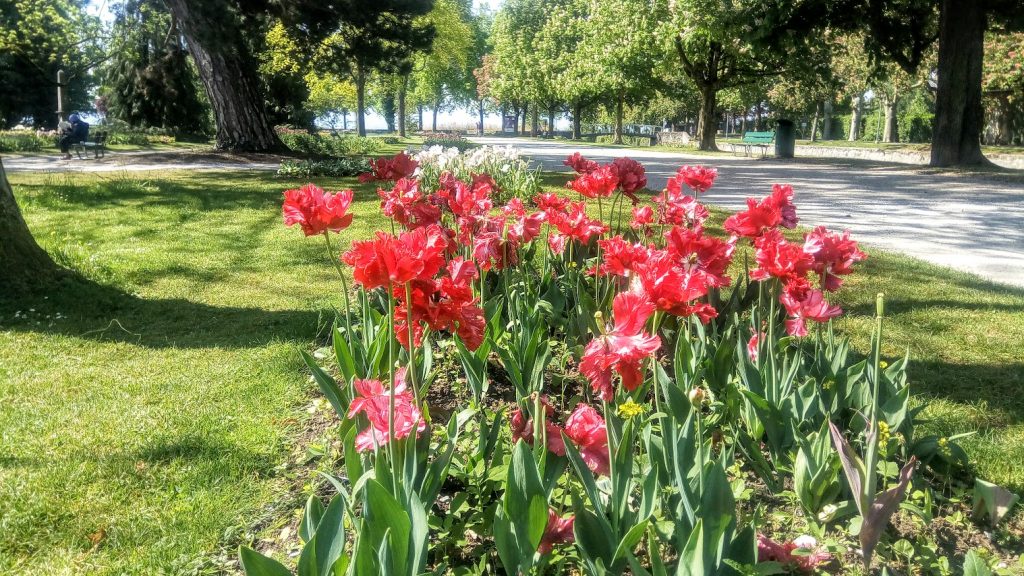
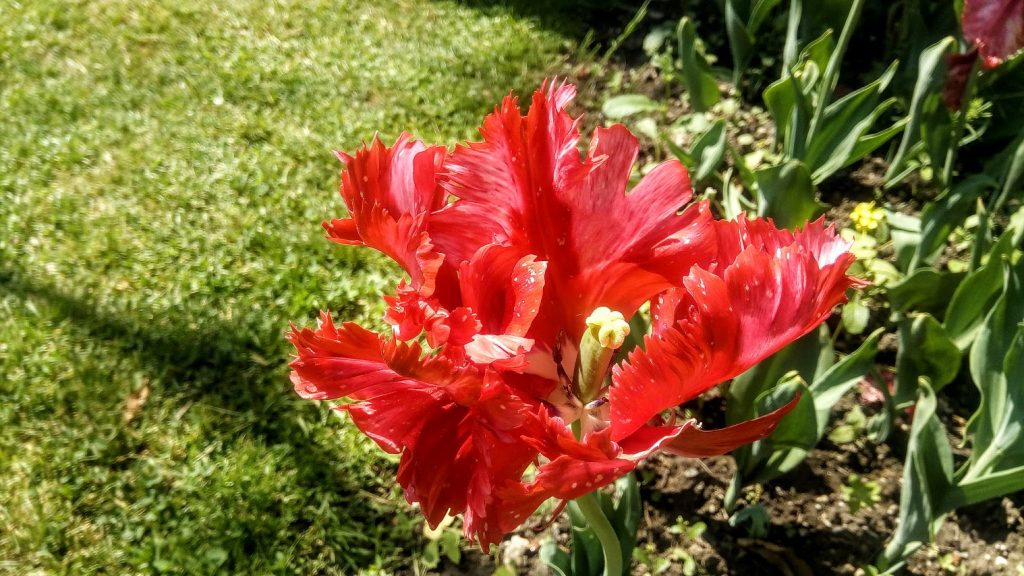
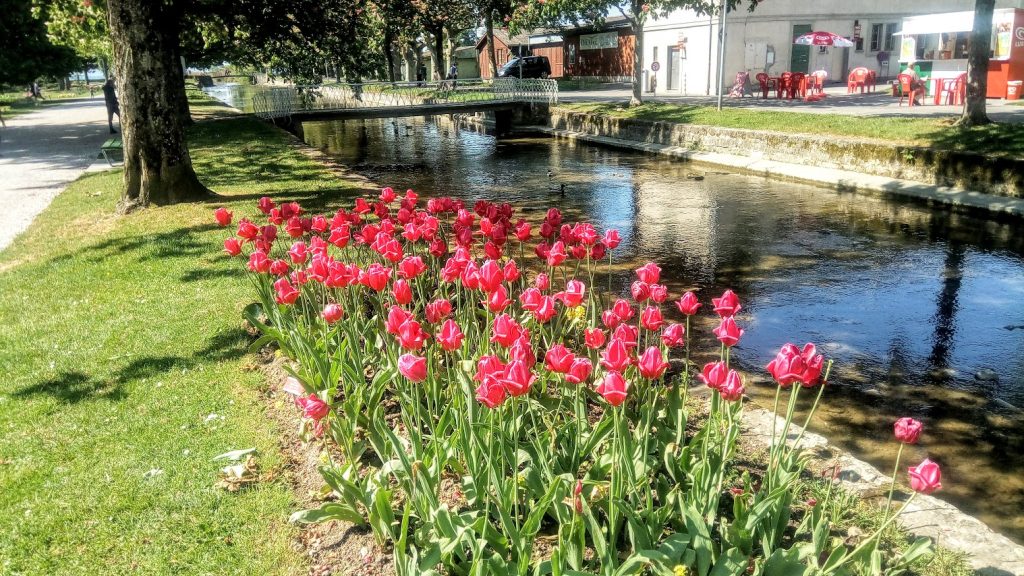
Tulipes festival Morges Switzerland

Tulipes festival Morges Switzerland

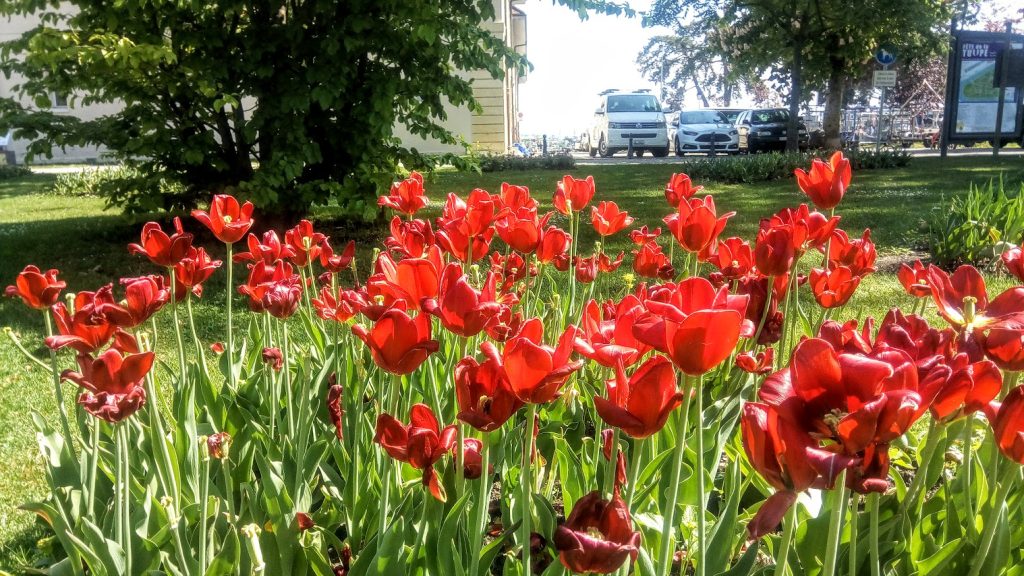
Set in the Parc de L’independence, just behind the beautiful Château in Morges, the annual Fête de la Tulipe starts this weekend and runs from 1st April to the 14th May. This leaves ample time for the different species of tulips (approximately 300 in total) to bloom (very much weather permitting, as cold weather can often delay this).   In addition to 120,000 tulips on display, other spring bulbs such as daffodils and hyacinths can also be seen at this beautiful lakeside setting.

Hospital of Lausanne CHUV

Hospital of Lausanne CHUV

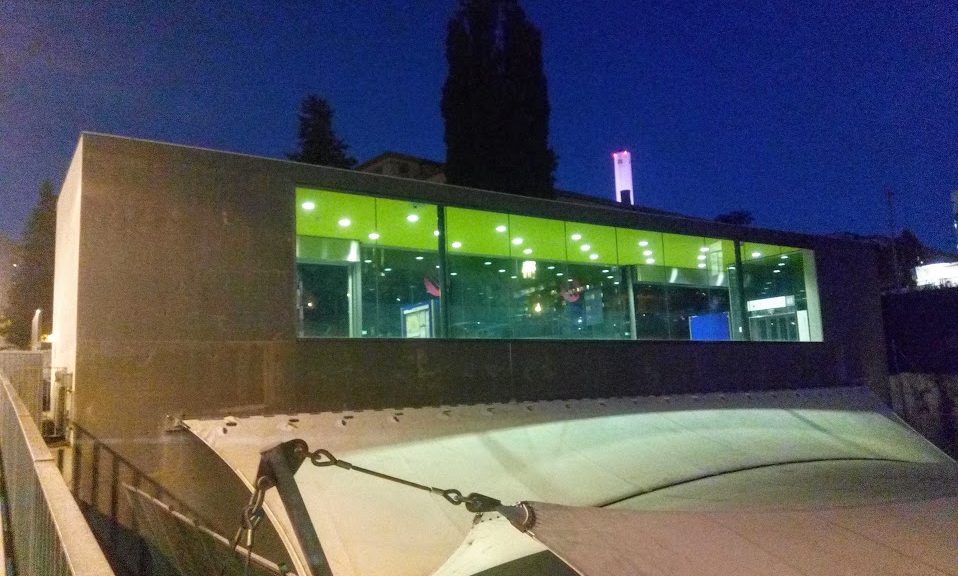
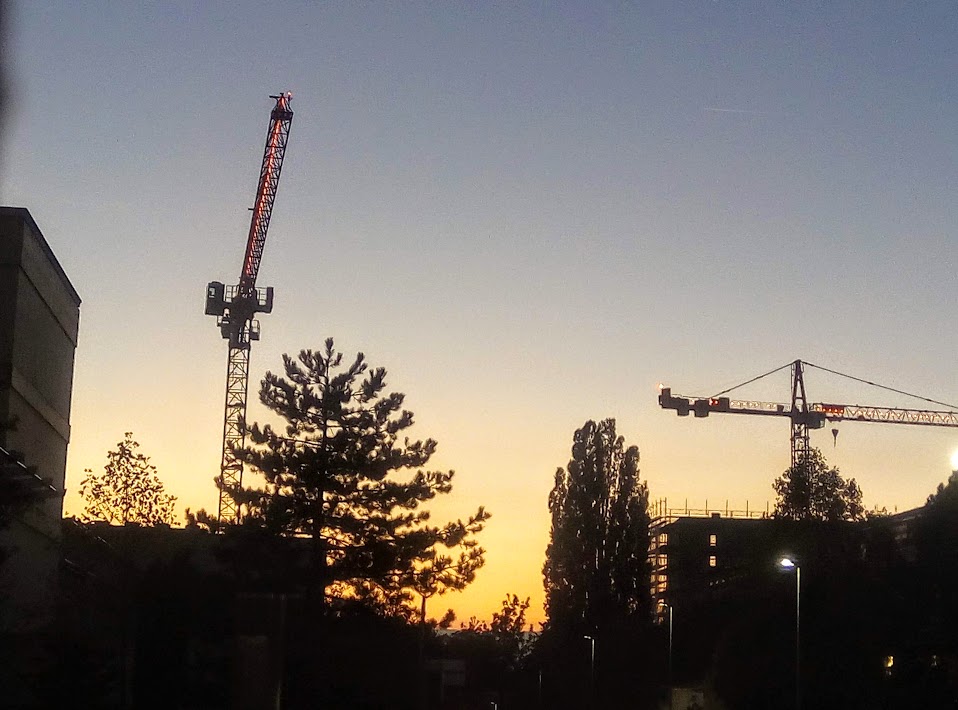
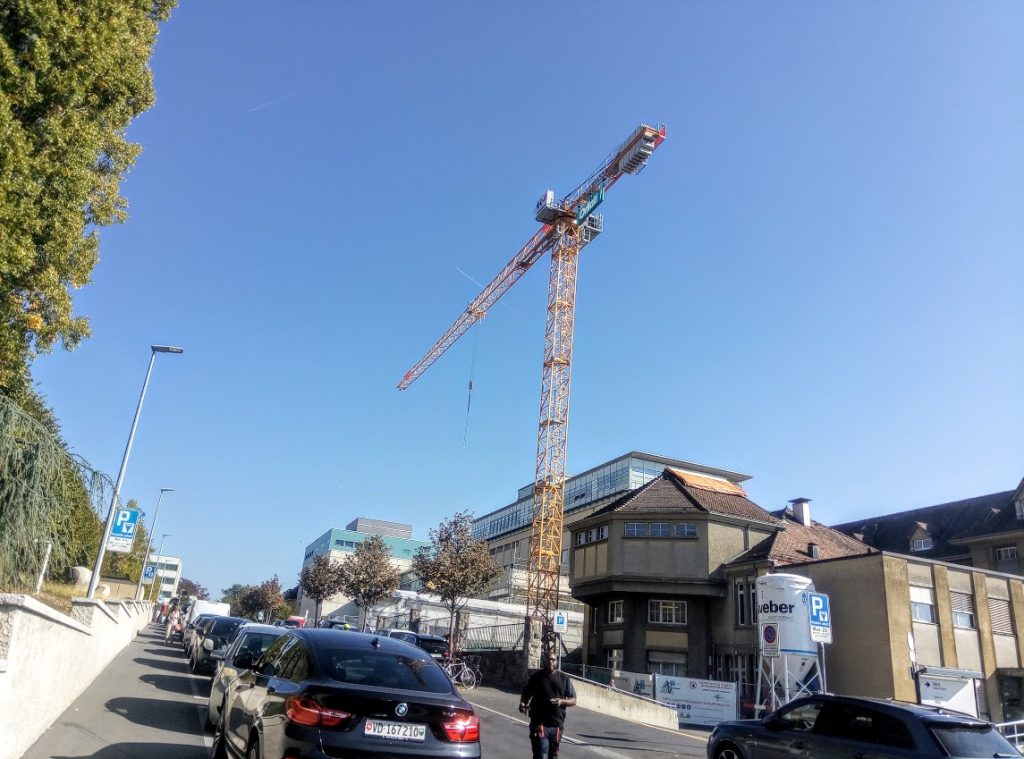
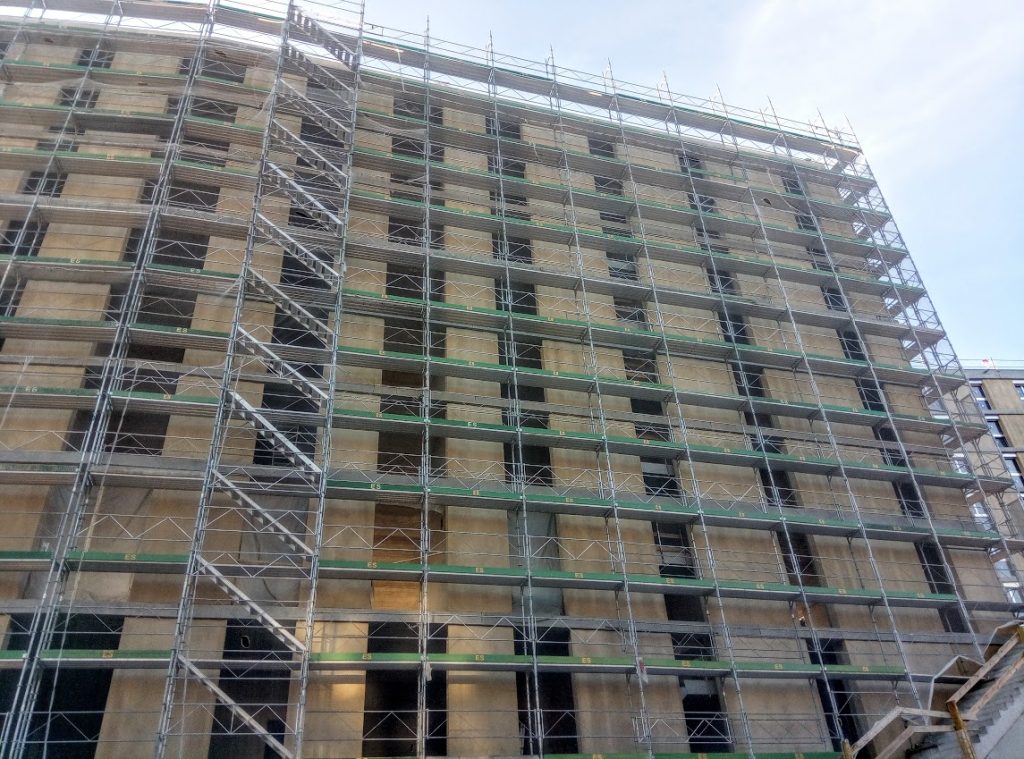
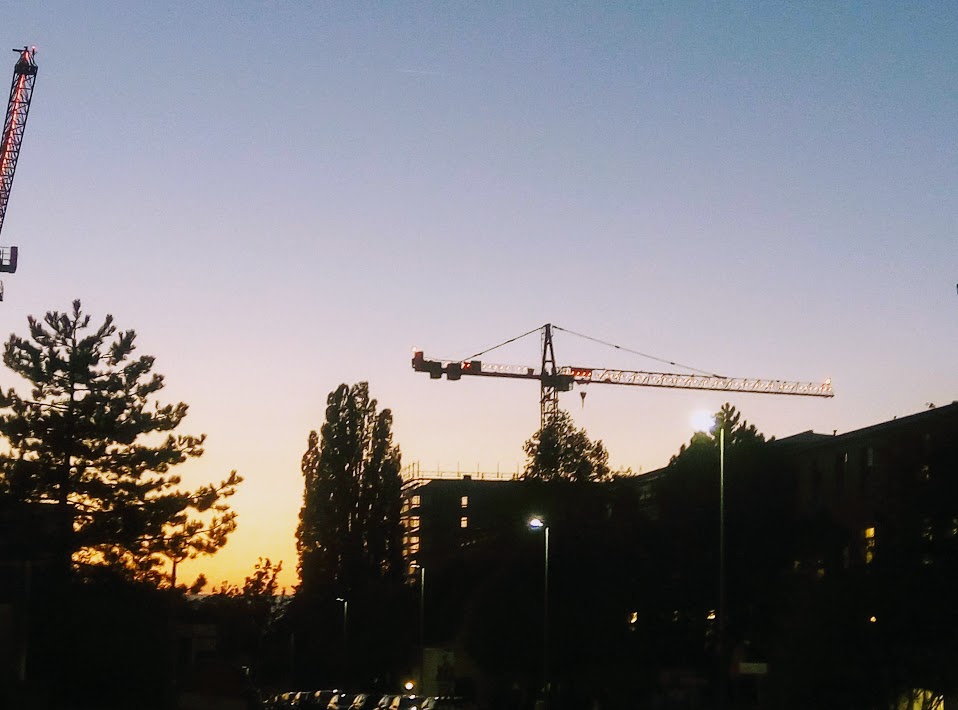
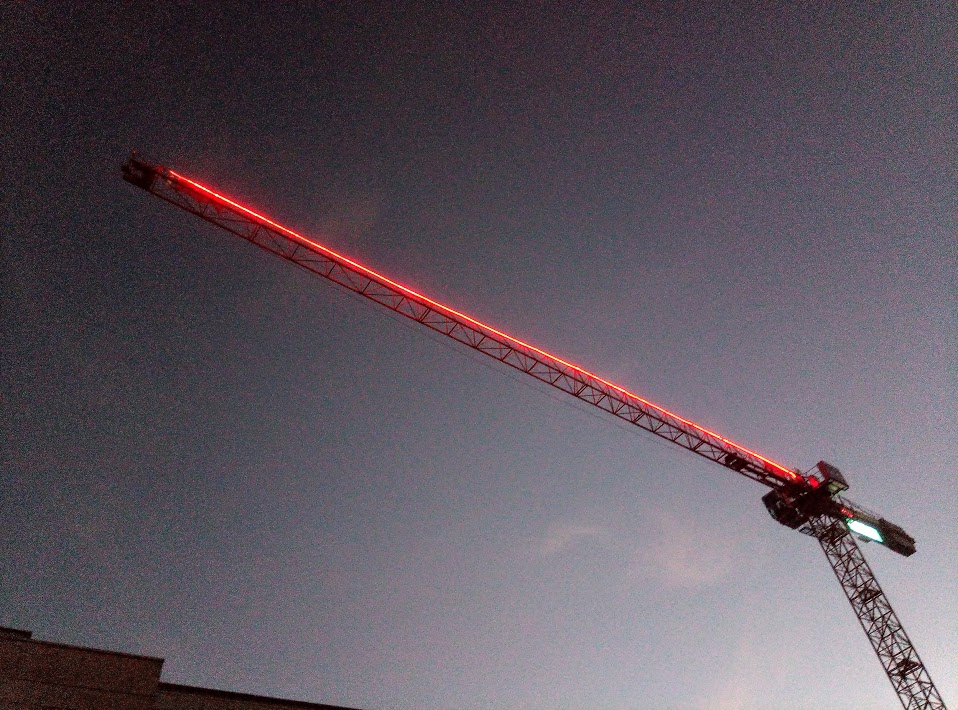
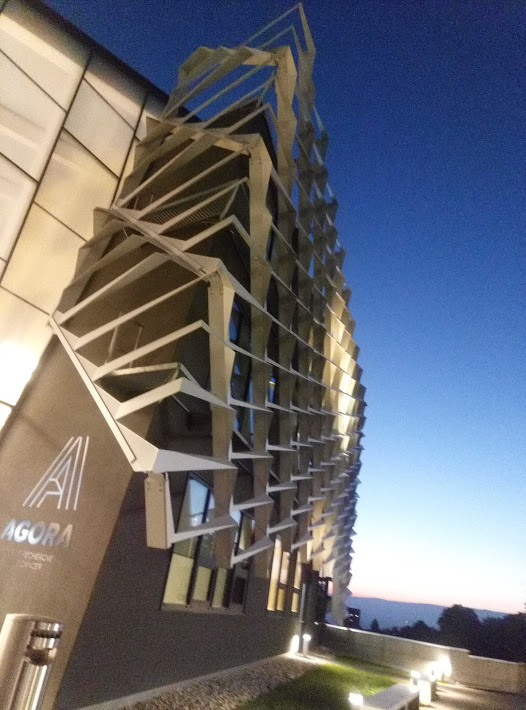
The sun is going down, the darkness is coming near the CHUV (Centre Hospitalier Universitaire de Lausanne)… This area is a big building area with lot of crane.
Spectacle of color in the sky without cloud. Agora building looks more like an exibition center or art gallery than a research against cancer building.


Gruyère 1st of August

Gruyère 1st of August

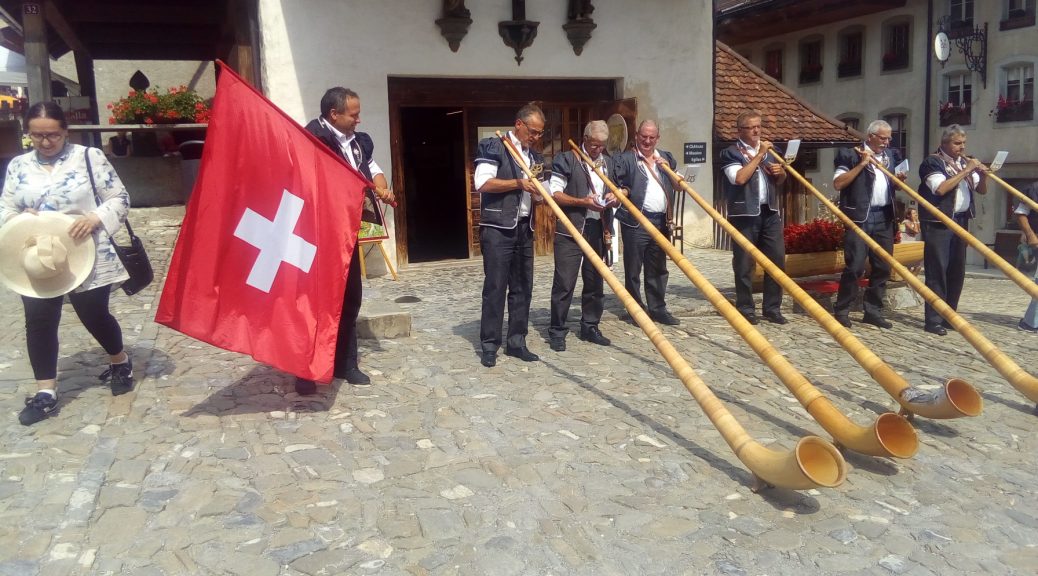
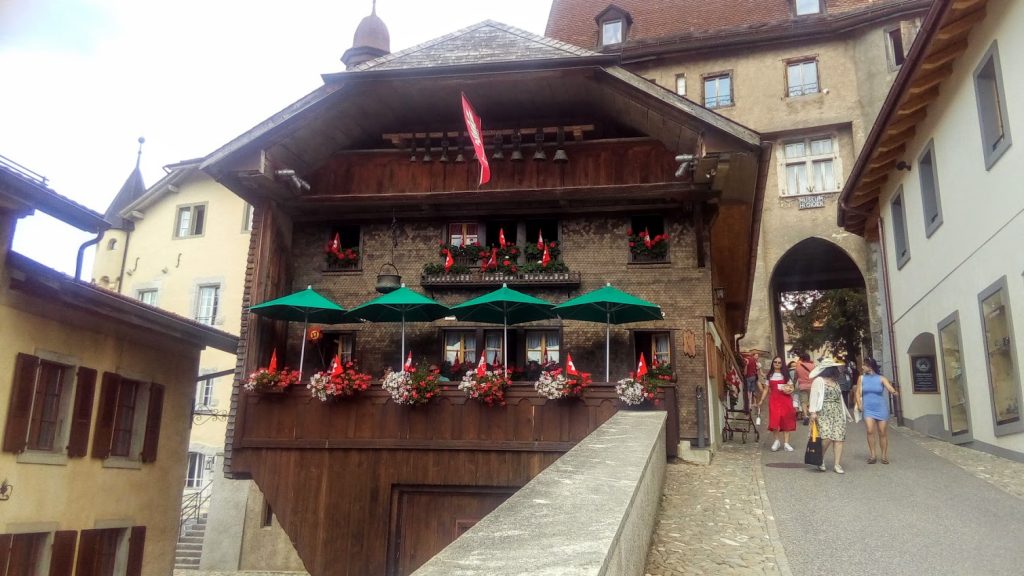
The first of August is the national day of Switzerland. I was at Gruyere a medieval and picturesque town. Maybe you know the cheese gruyere. It comes form that village and that region.

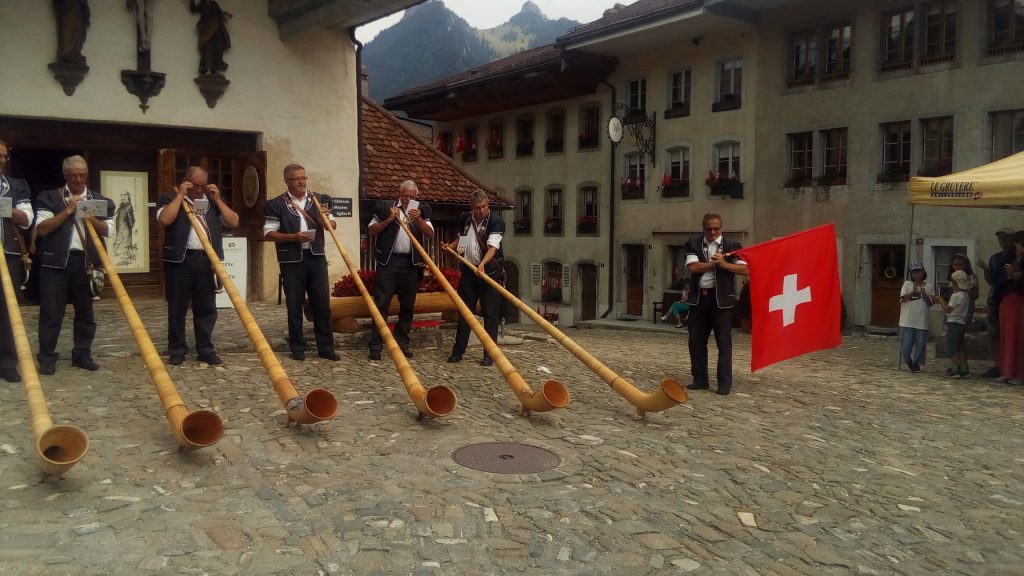
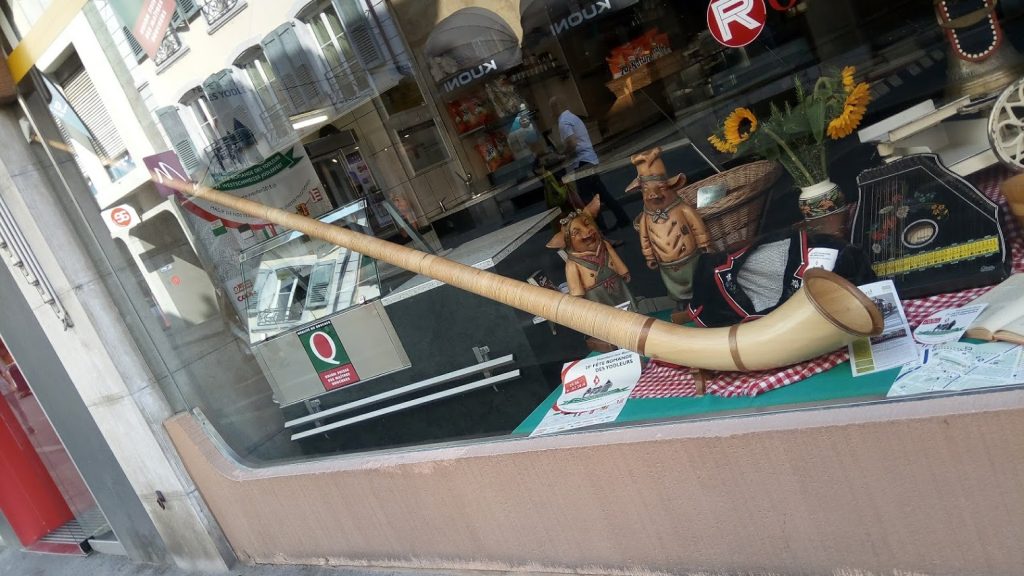
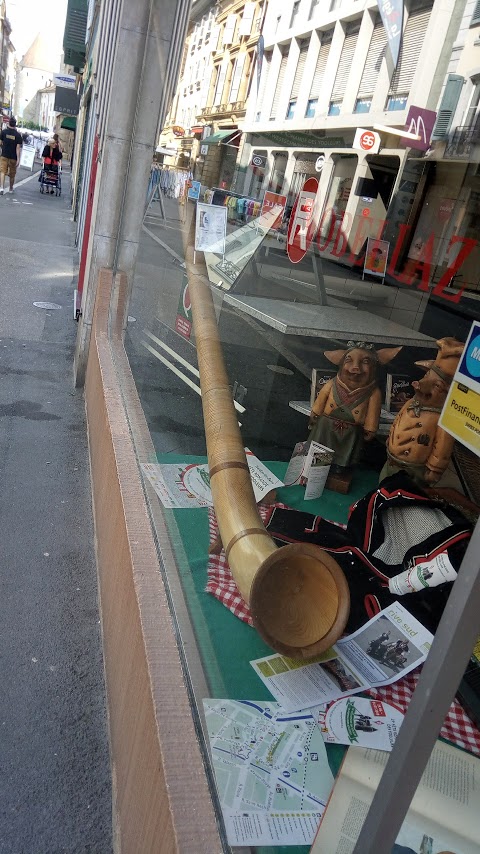
One event of that day is traditionaly playing Alphorn and playing with swiss flag.


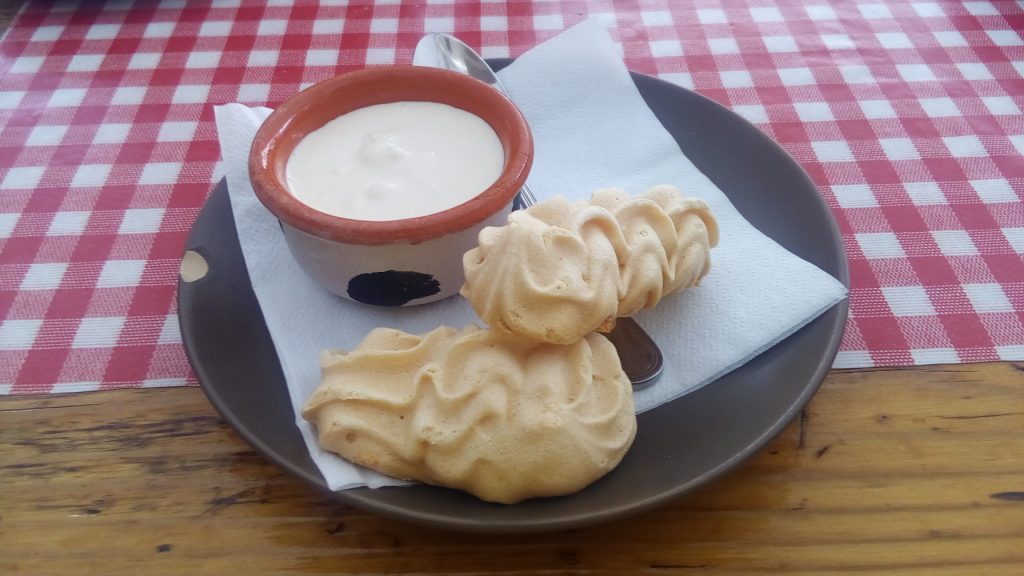
The typic food of Gruyere is meringue with cream of Gruyère. It was really good sweet. Cow eat green grass of the Alp product quality milk and cream. Such dessert cost 9.90 Fr (10 USD or 8.50 €).

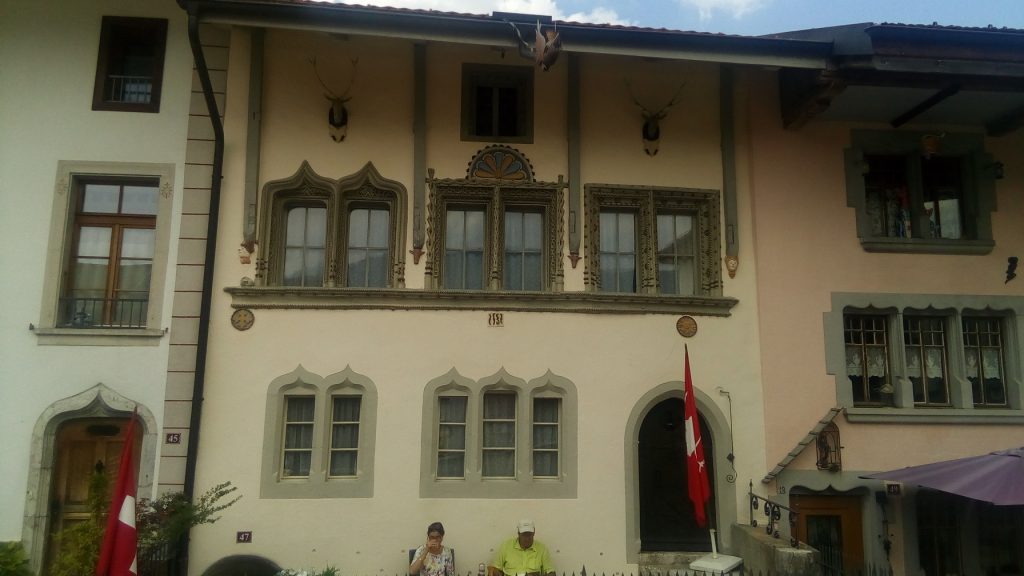
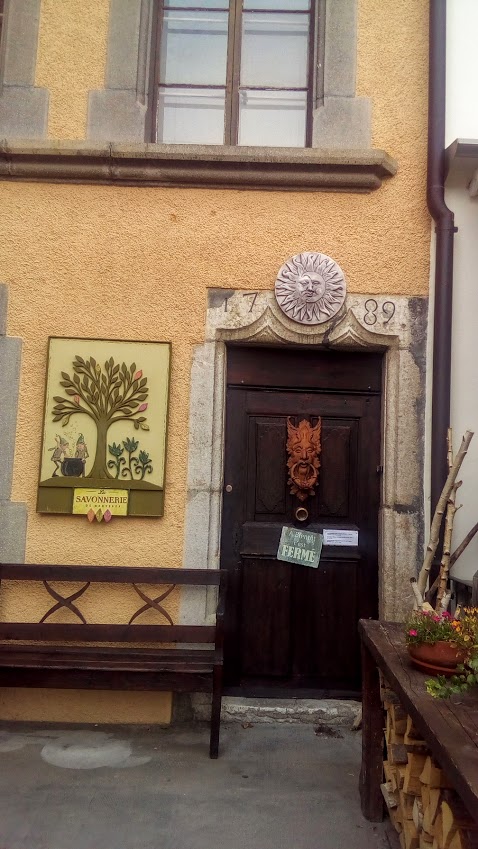
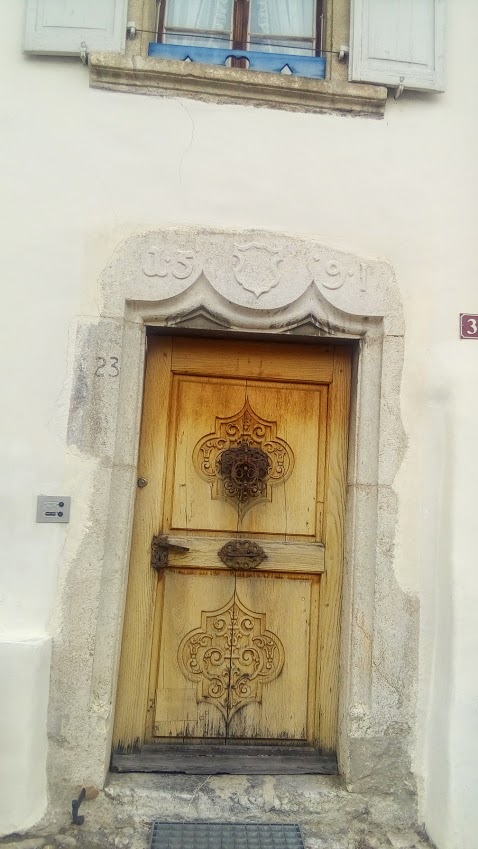
The village of Gruyere has really interesting building and architecture.

Some houses are very old. You also have a castle.


La Ciotat

La Ciotat

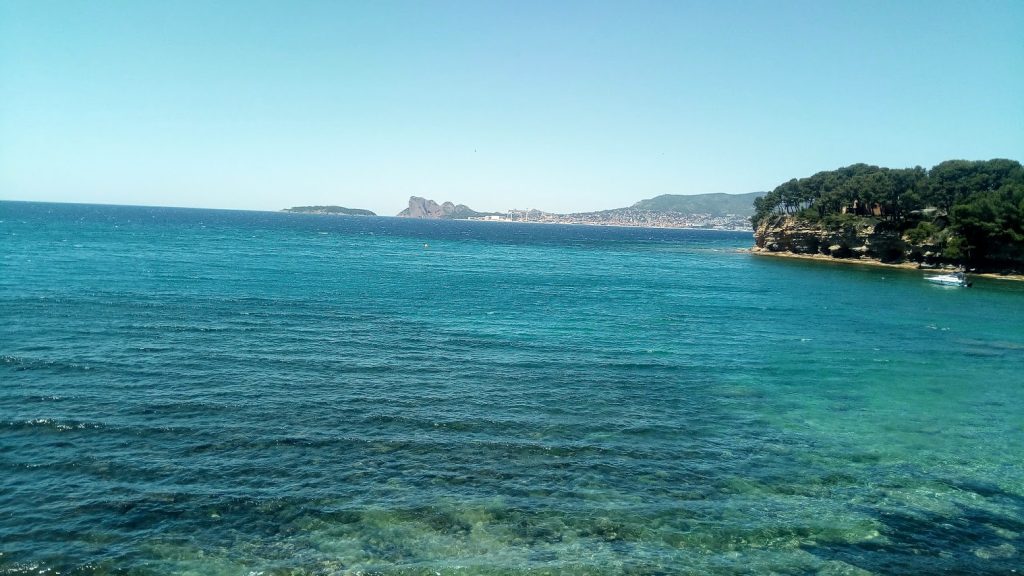
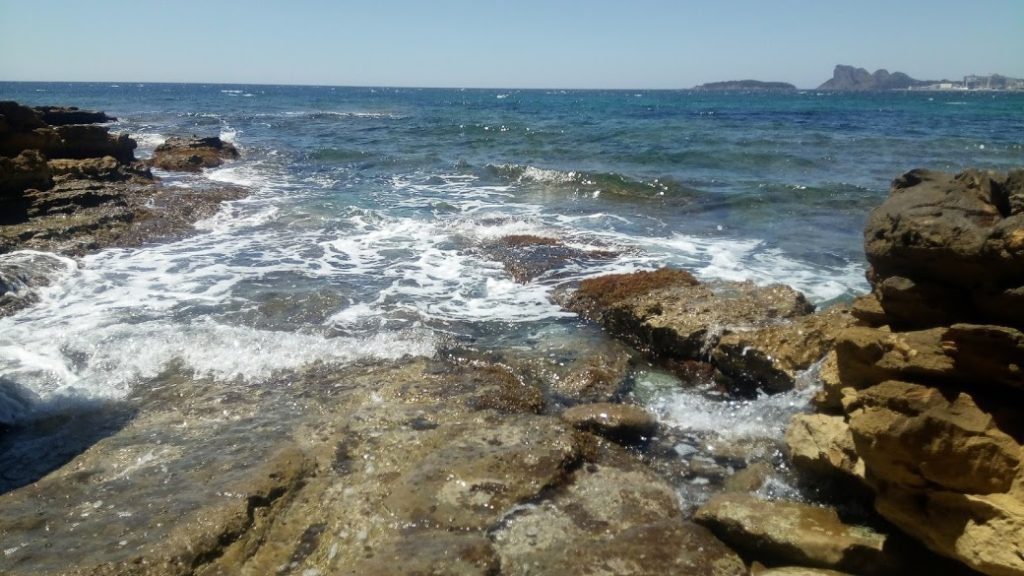
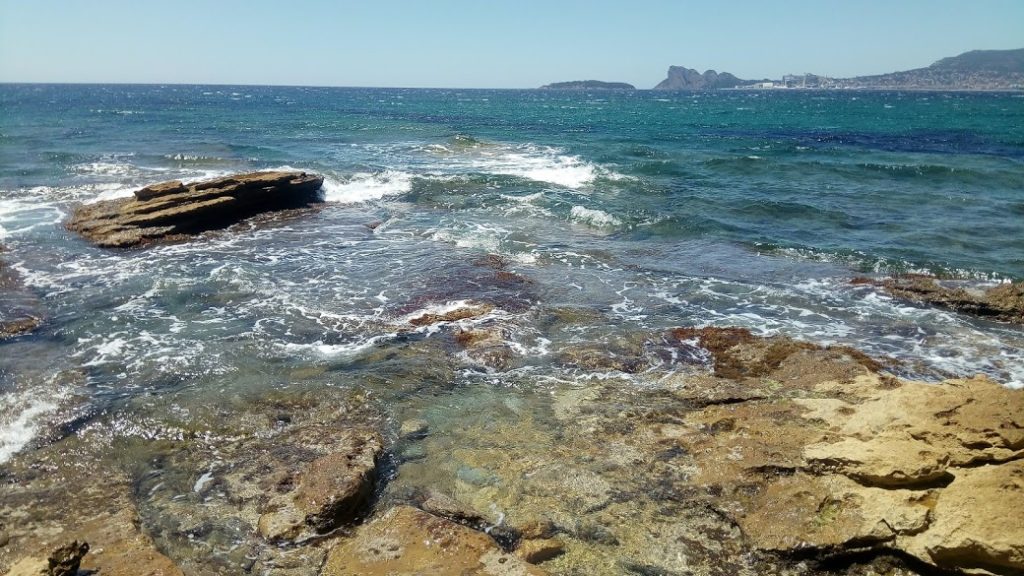
La Ciotat  means The City in Occitan language. Situated at 26 Km east of Marseille (france),  this city has fabulous calanques and the highest maritime cliffs of Europe, with its highest point. All along the coast for more than 20 km La Ciotat and the sea have been closely linked since ancient times.

You should also take a walk in the Mugel Park and all along the trails admire the wonderful Mediterranean vegetation, and at the top the bird’s eye view of the city, the bay and the Green Islands.


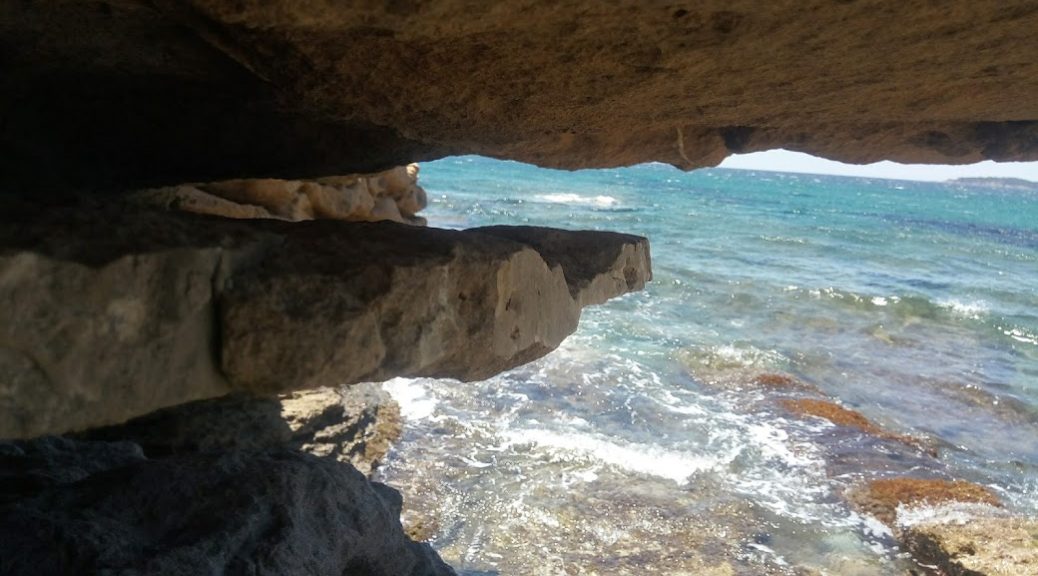
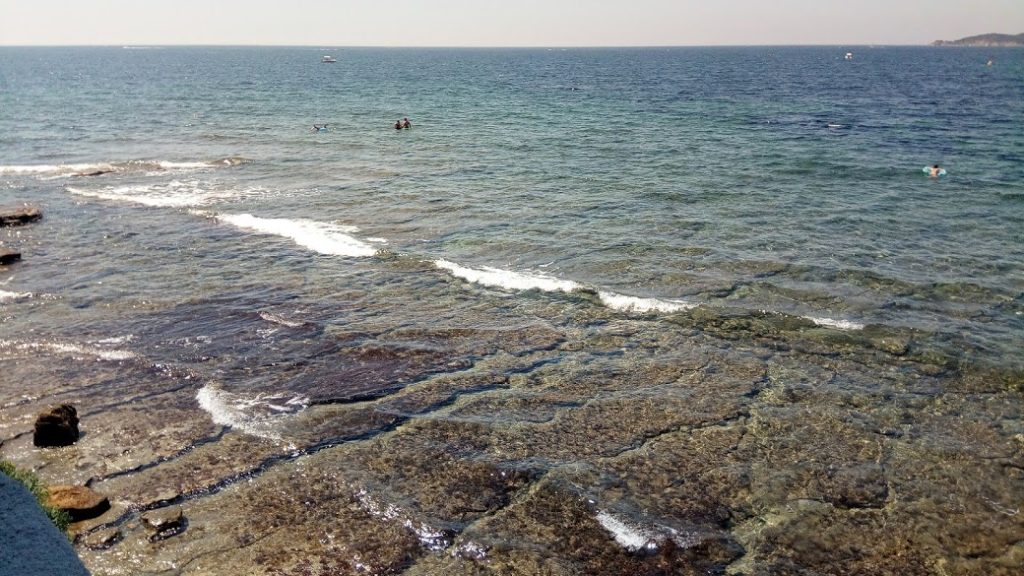
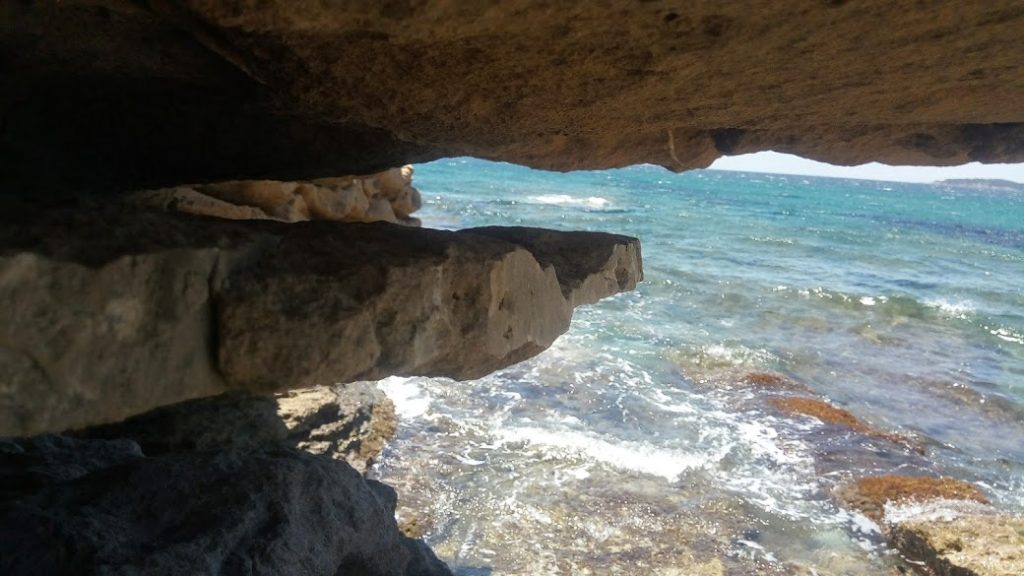
The coast has meanly rocks and just little beach rarely with sand. The water could be very transparent. La Ciotat has an artificial sand beach because of its rocky location.

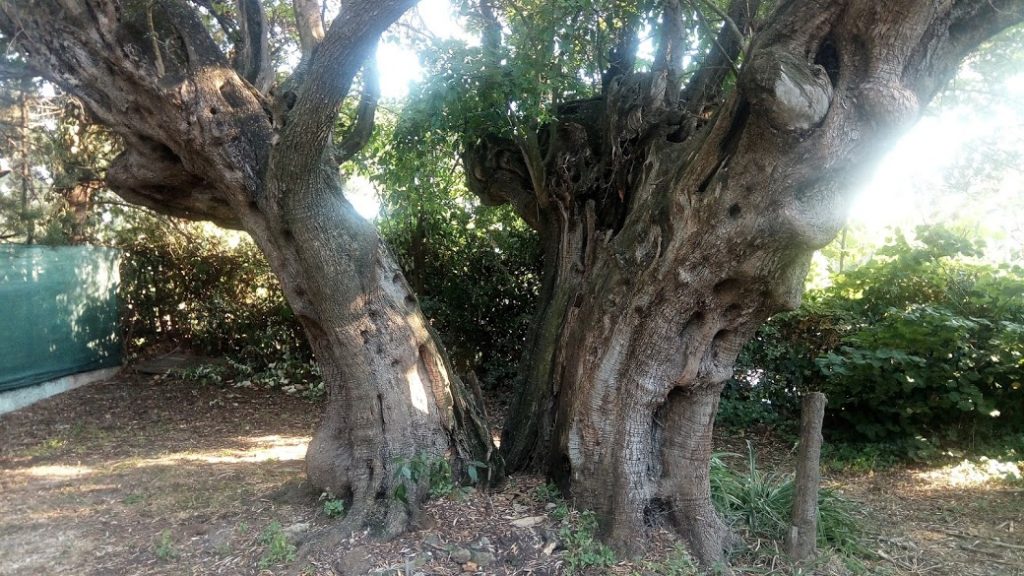
This Oliver tree has a trunc seperated in tree. It should be very old.

Yverdon

Yverdon

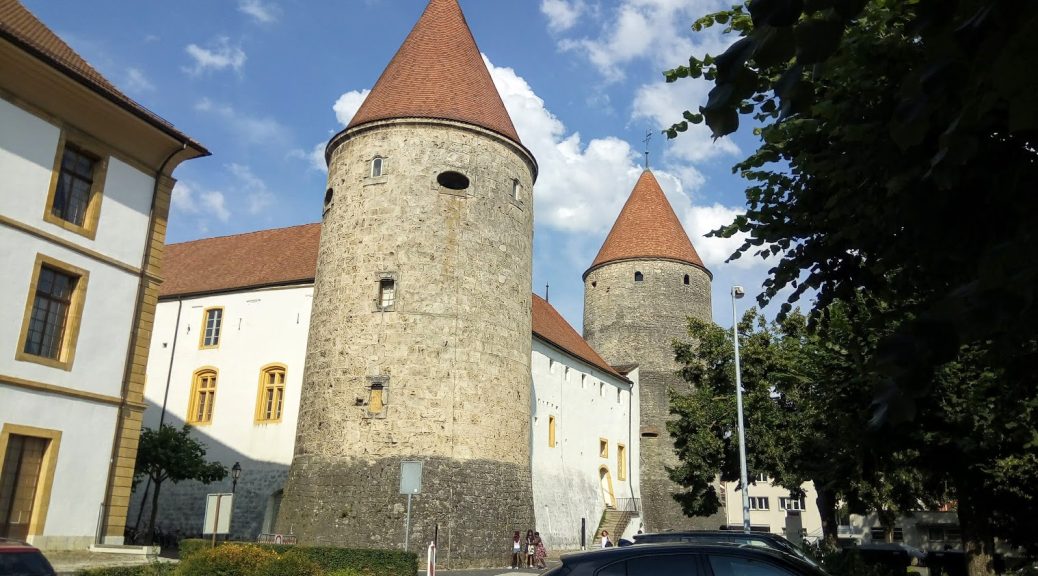
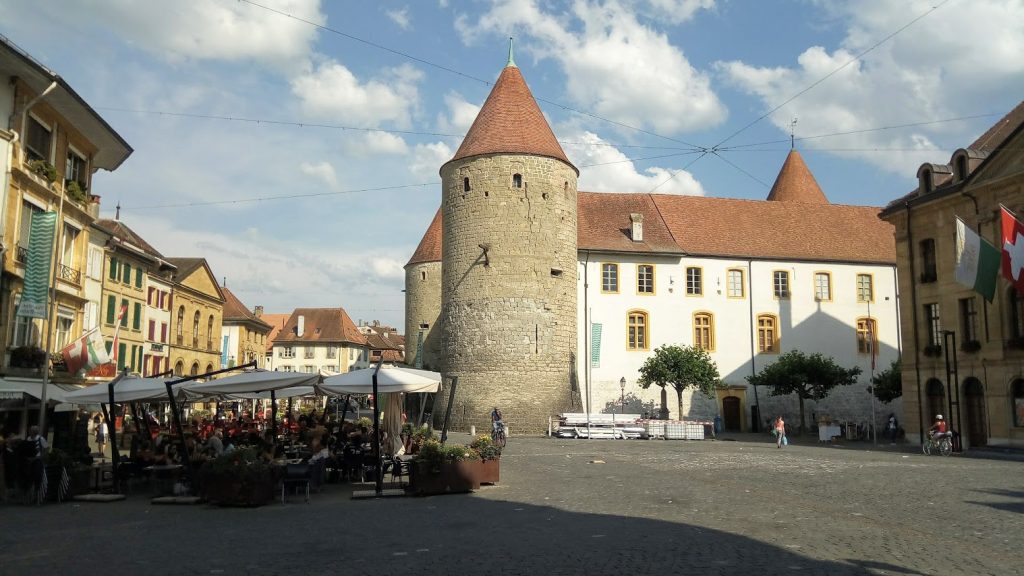
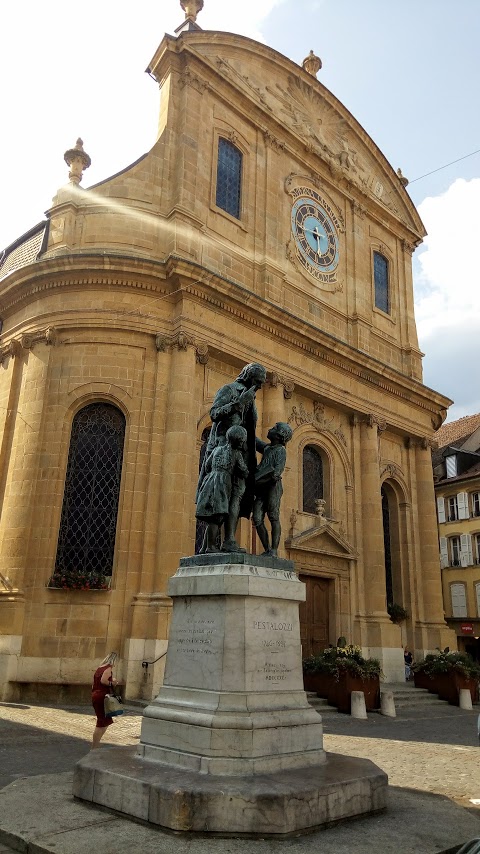
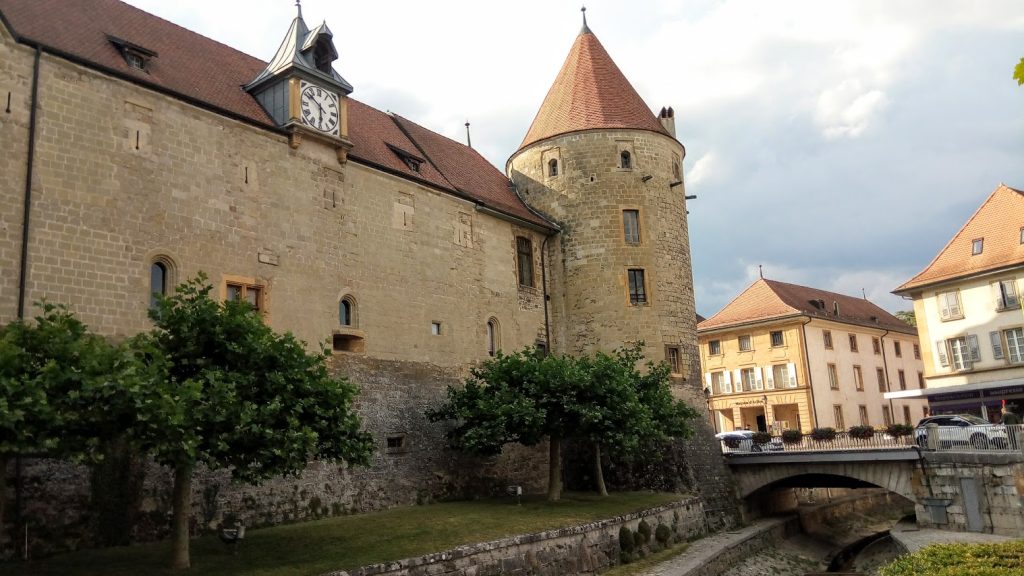
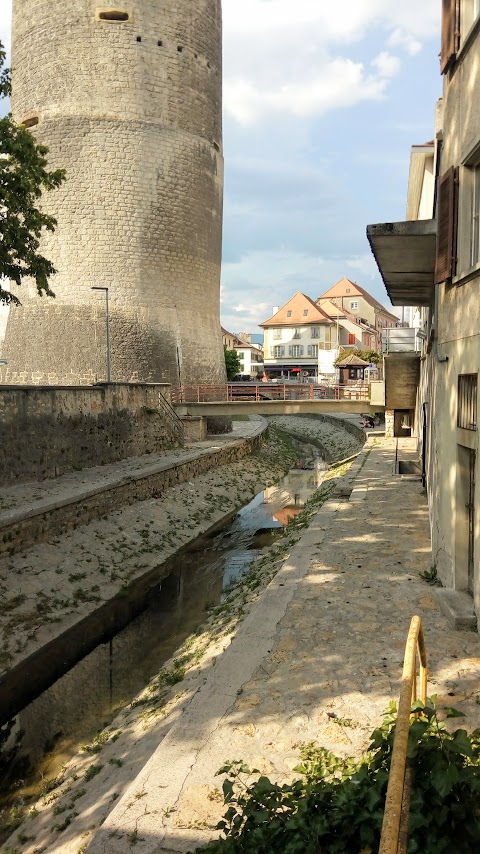
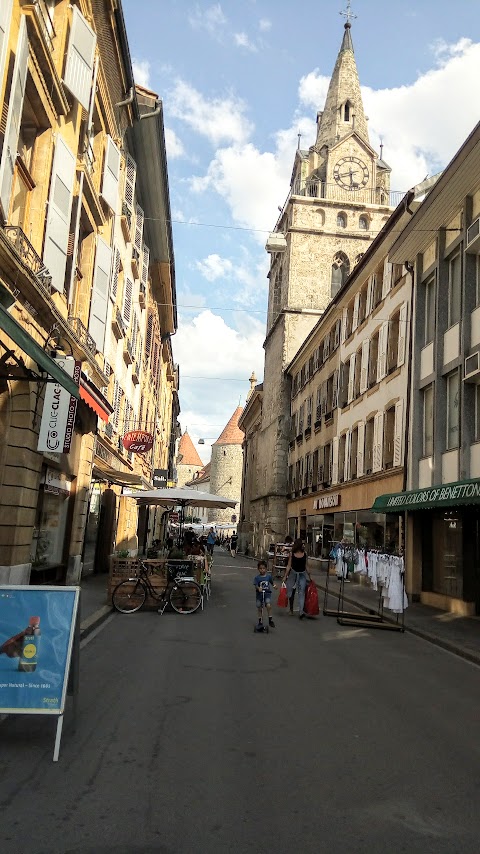
Yverdon is the second most important town in the Canton of Vaud. It is famous for its thermal springs and is an important regional centre for commerce and tourism.


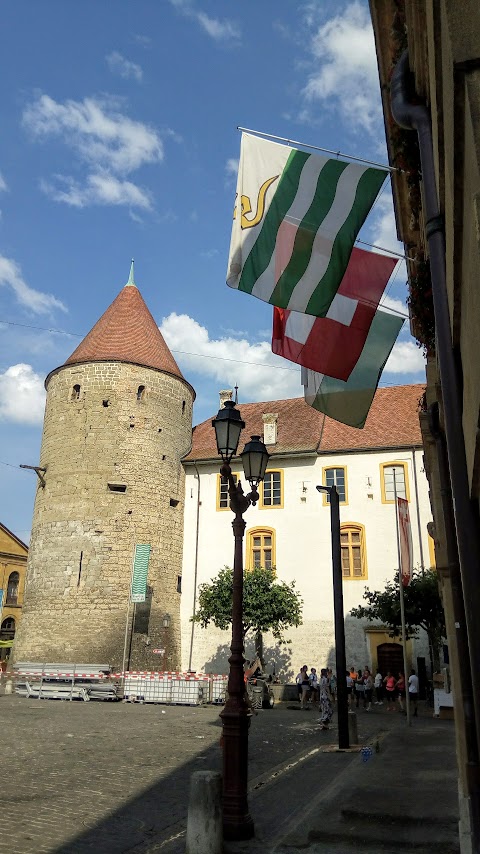
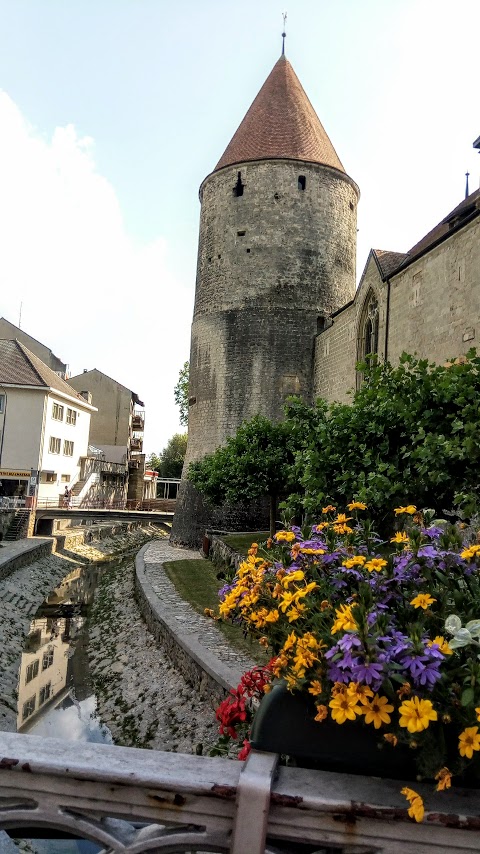
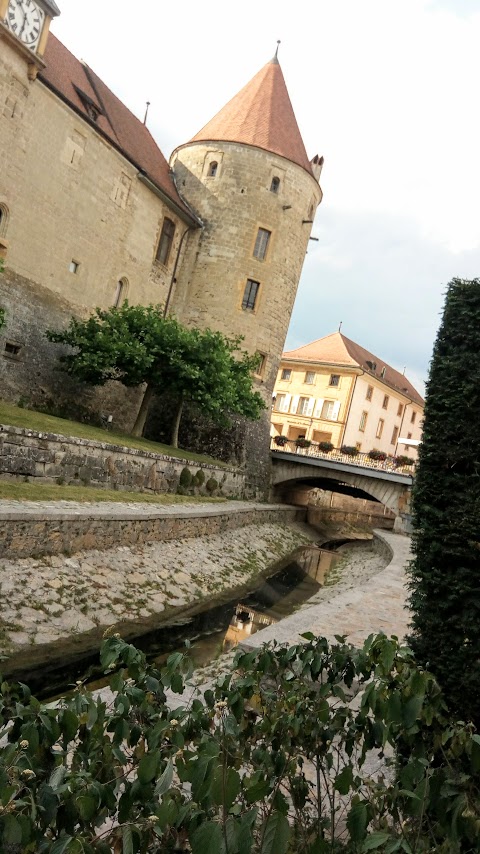
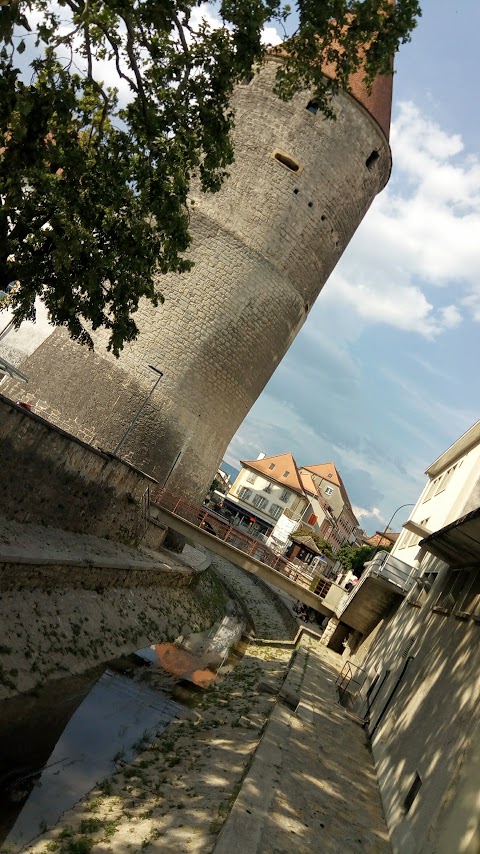
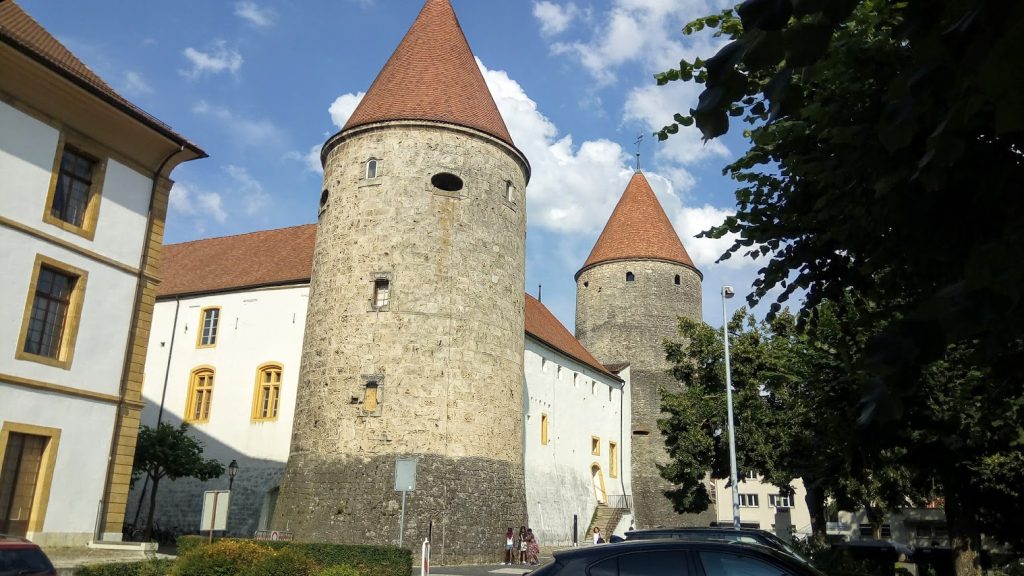
The imposing main walls and their four towers were erected within a few years. The design of the castle followed the geometric characteristics used for castles set in plains


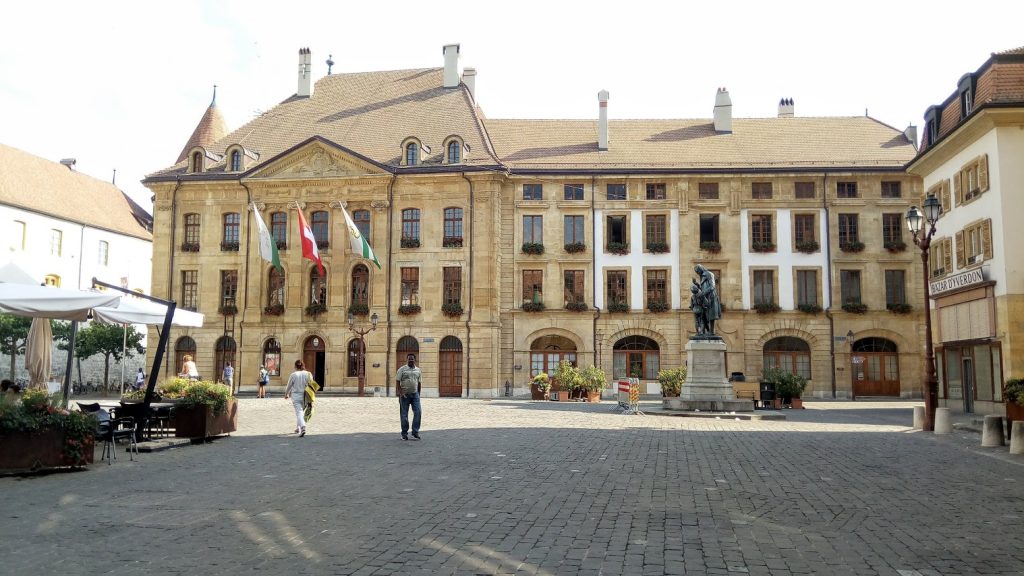
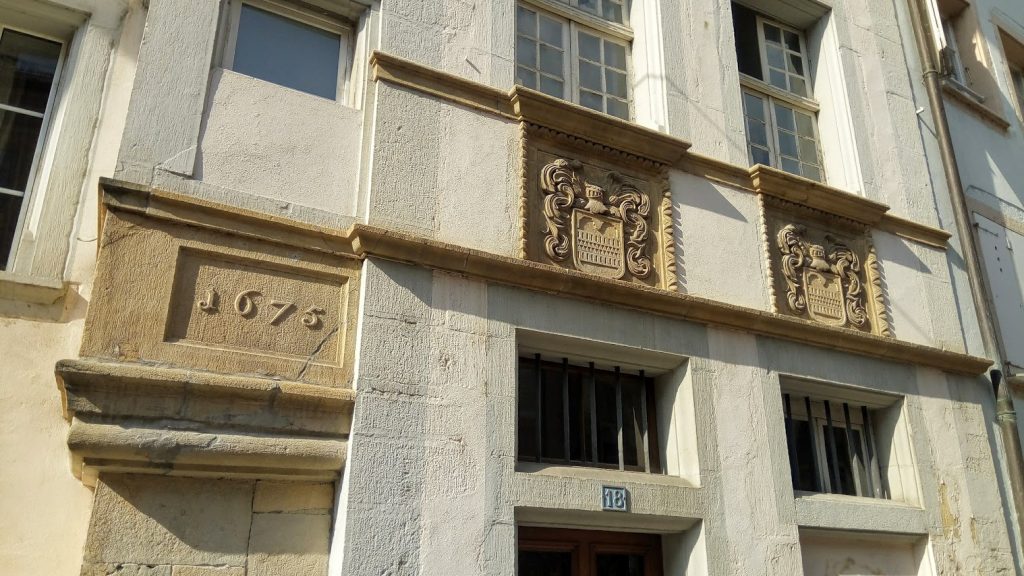
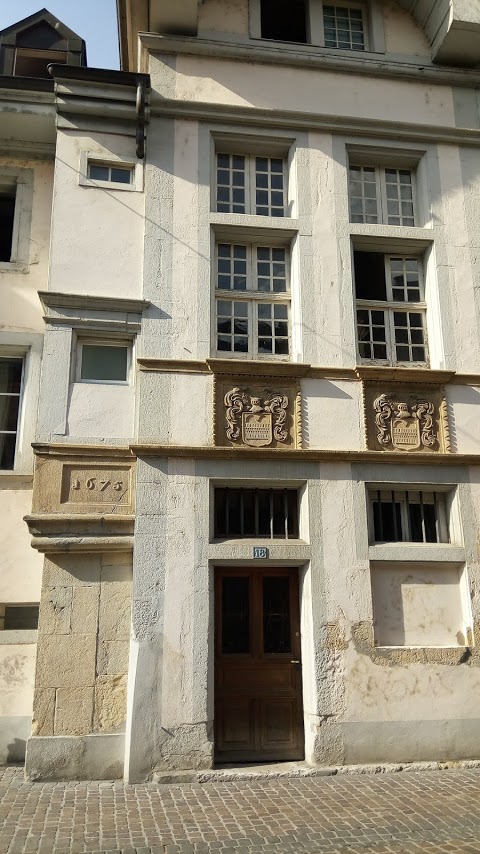
Walking in the center we can see very old house. This house was build in 1675 more than 300 years old


Saint Aubin Neuchâtel

Saint Aubin Neuchâtel

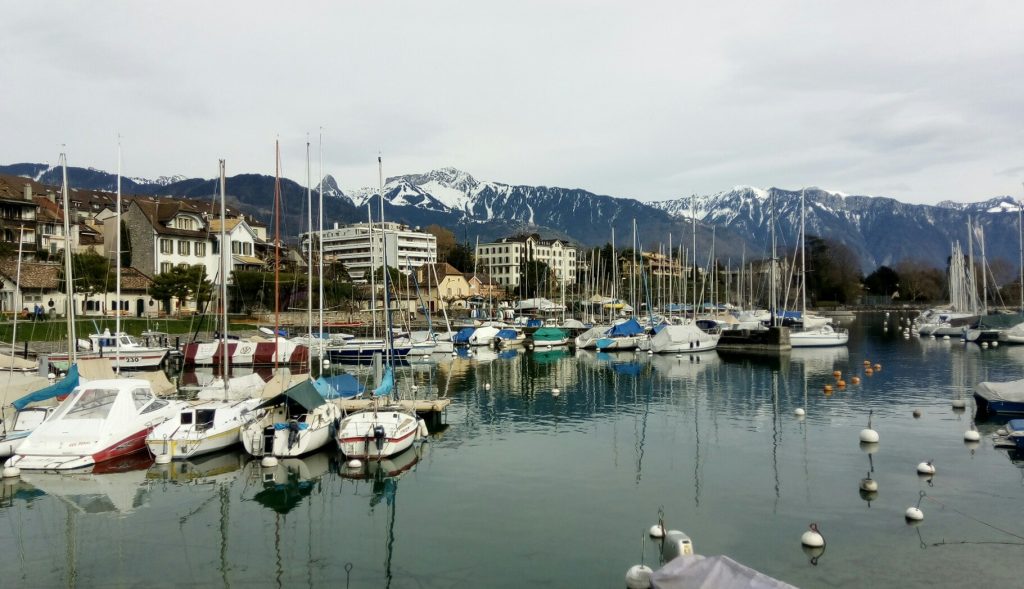
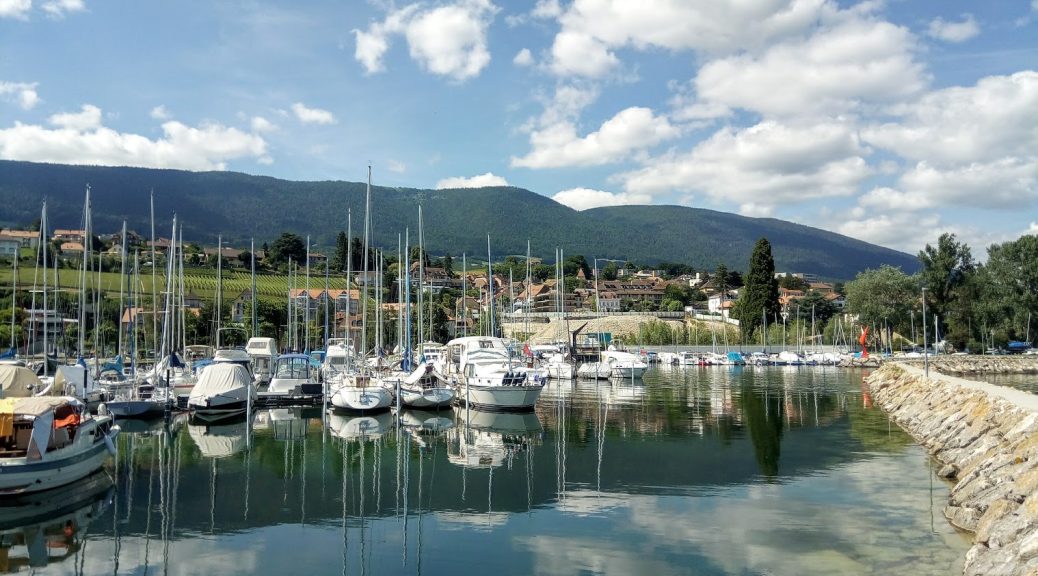
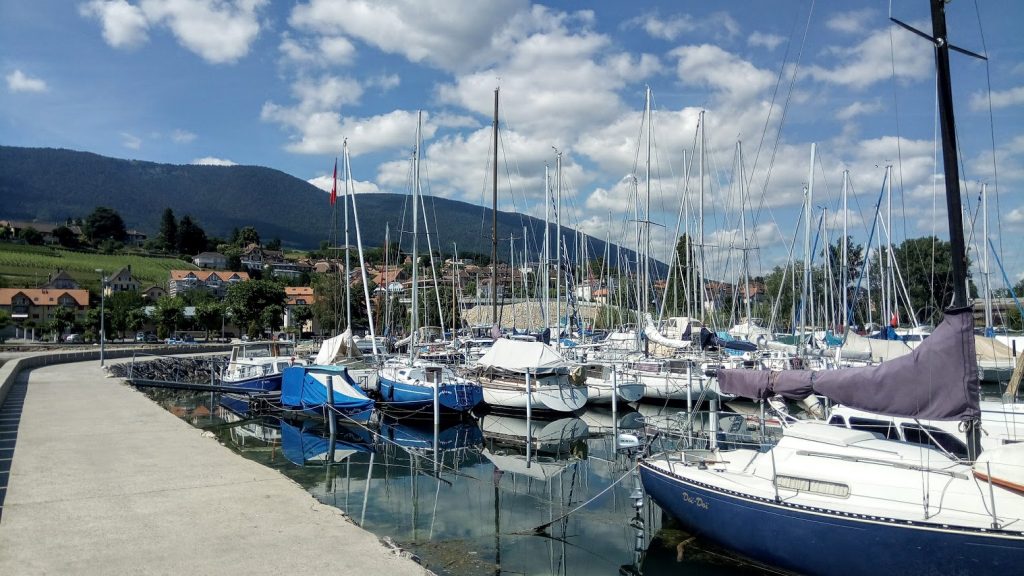
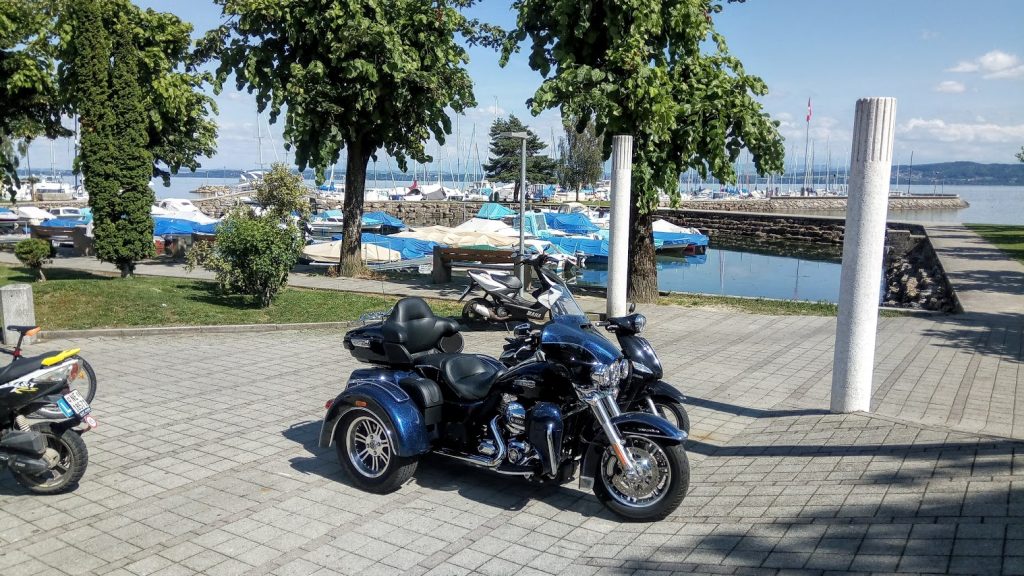
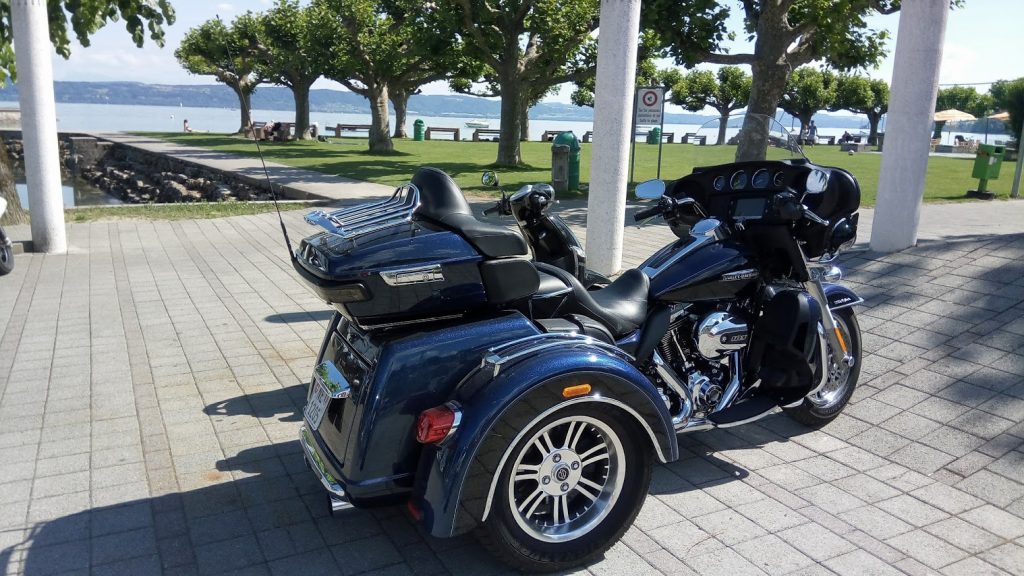
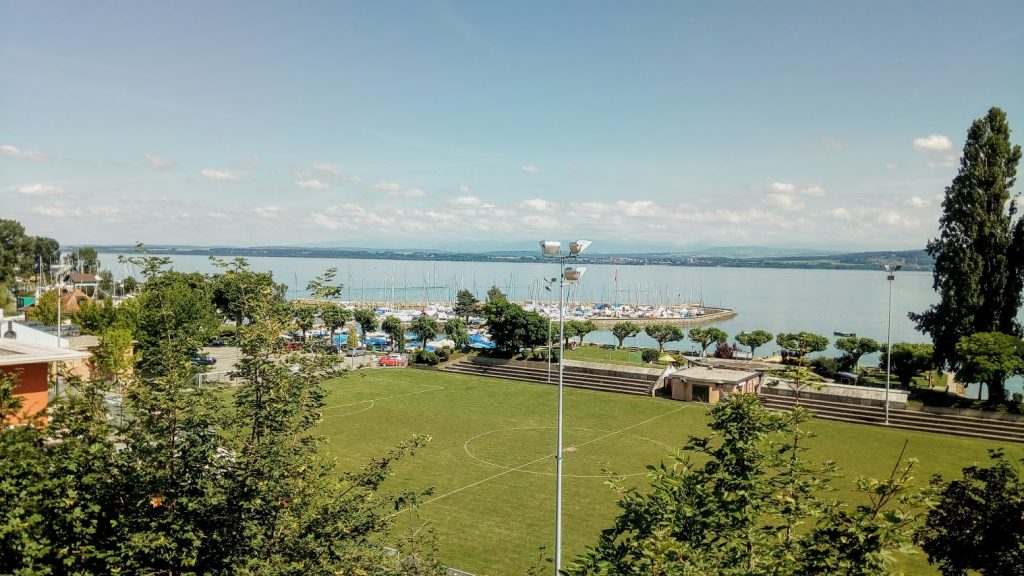
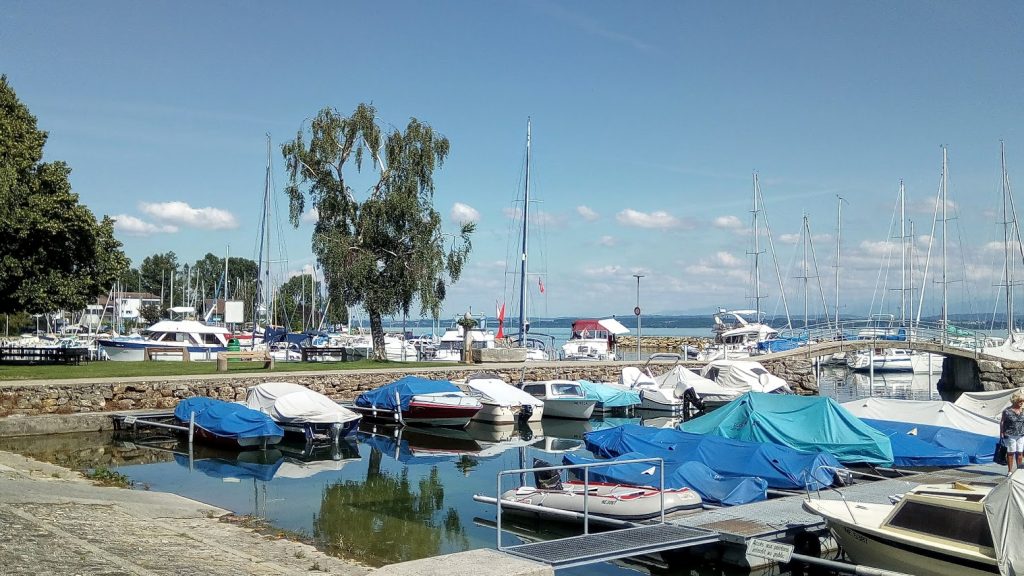
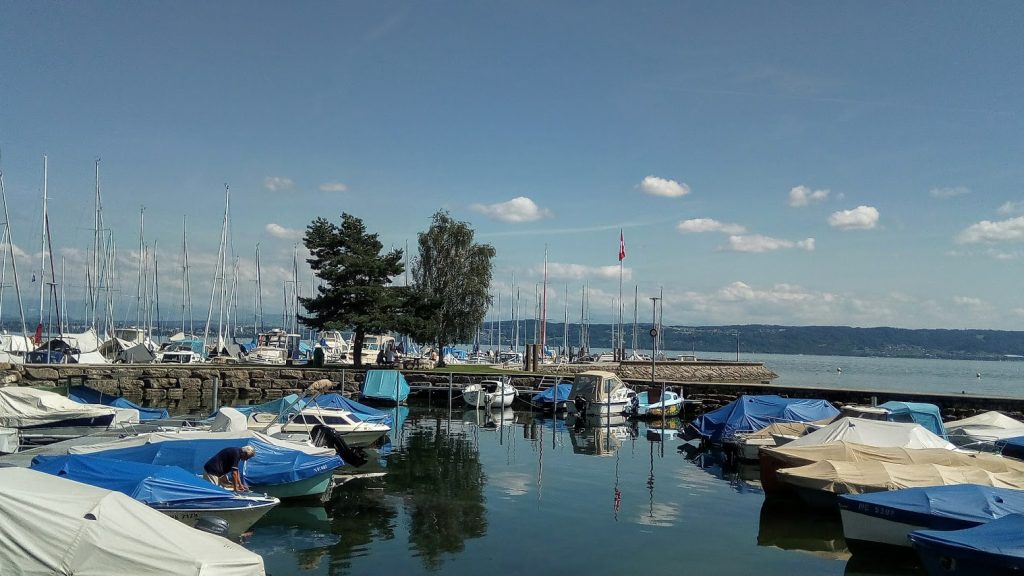
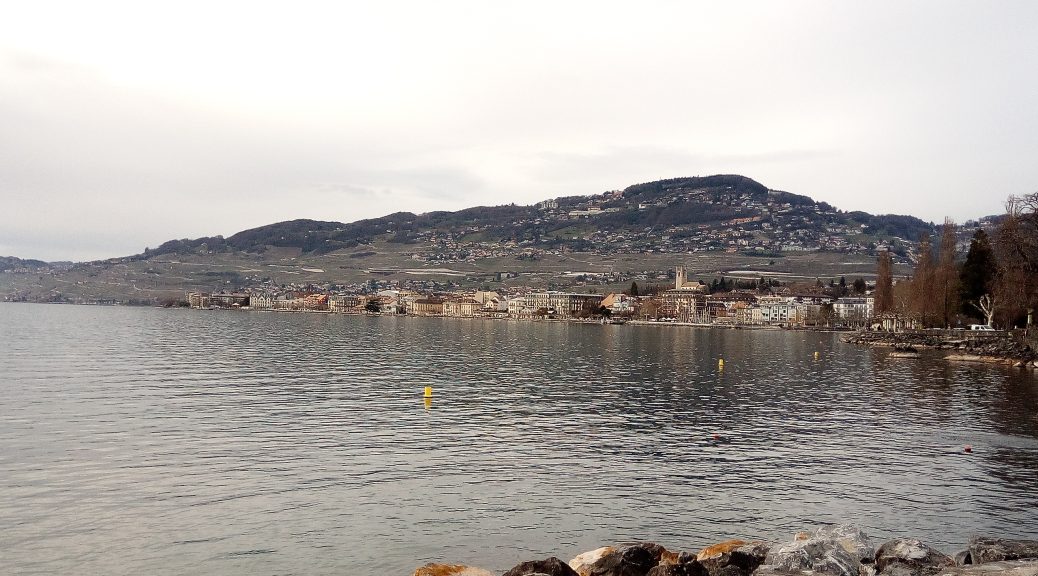
Saint-Aubin-Sauges is a village of La Grande-Béroche and a former Swiss commune in the canton of Neuchâtel, located in. Go down to the lake  at the harbour. You can have a nice view toward the east side of the lake.

Poppy

Poppy

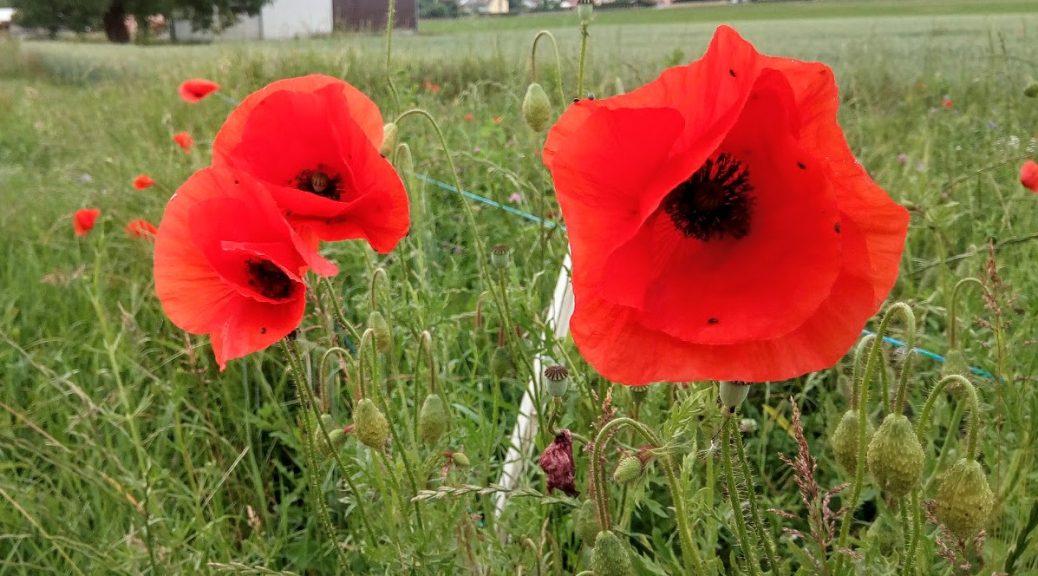
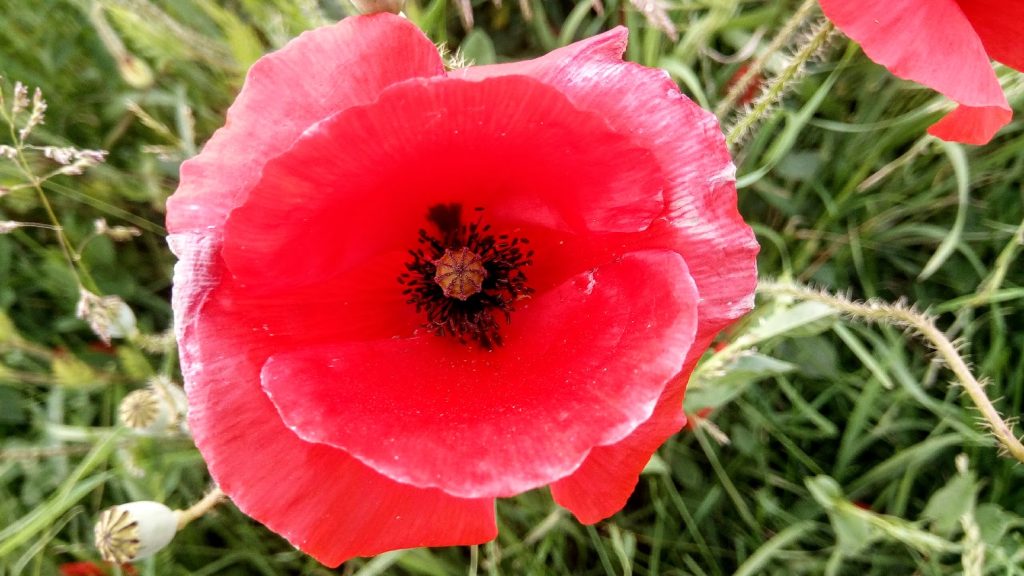
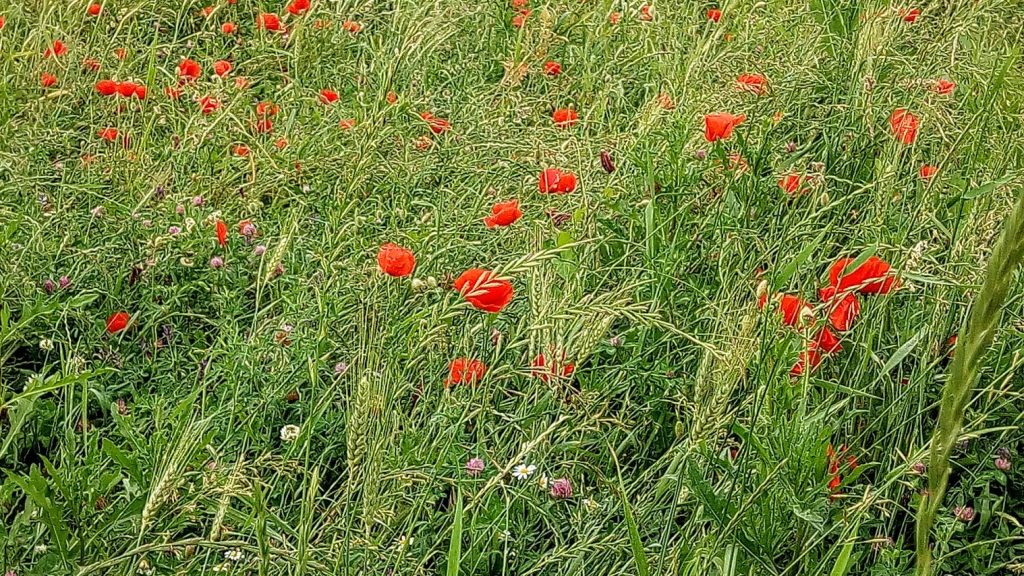
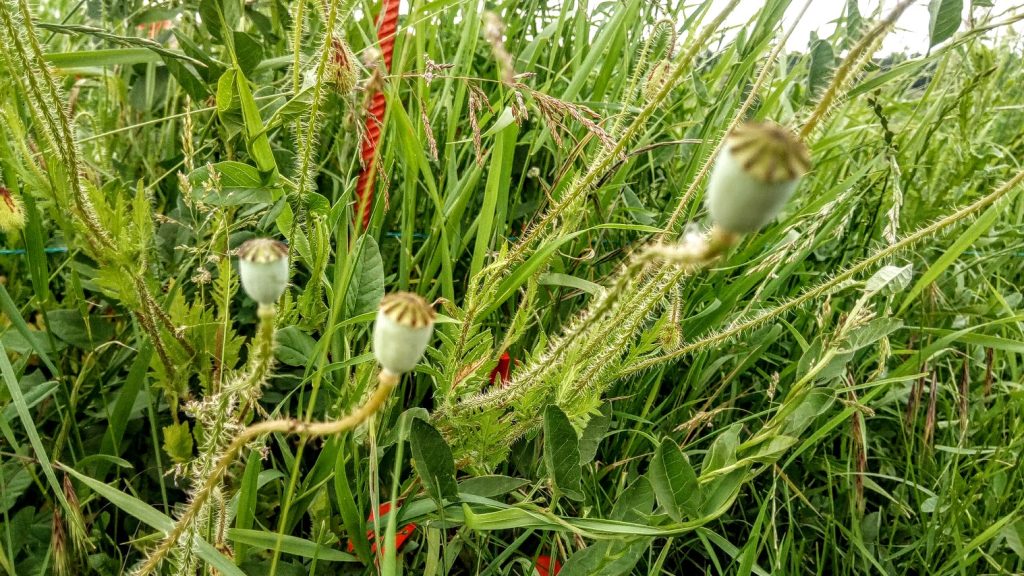
Papaver rhoeas or most commonly red poppy or simple poppy is a plant that comes to flower in may or june in Switzerland. You can find this plant in the northern hemisphere.

The plant can produce up to 400 flowers in a warm season, despite the flowers only lasting one day.

If you use less herbicid that flower comes.


Morges

Morges


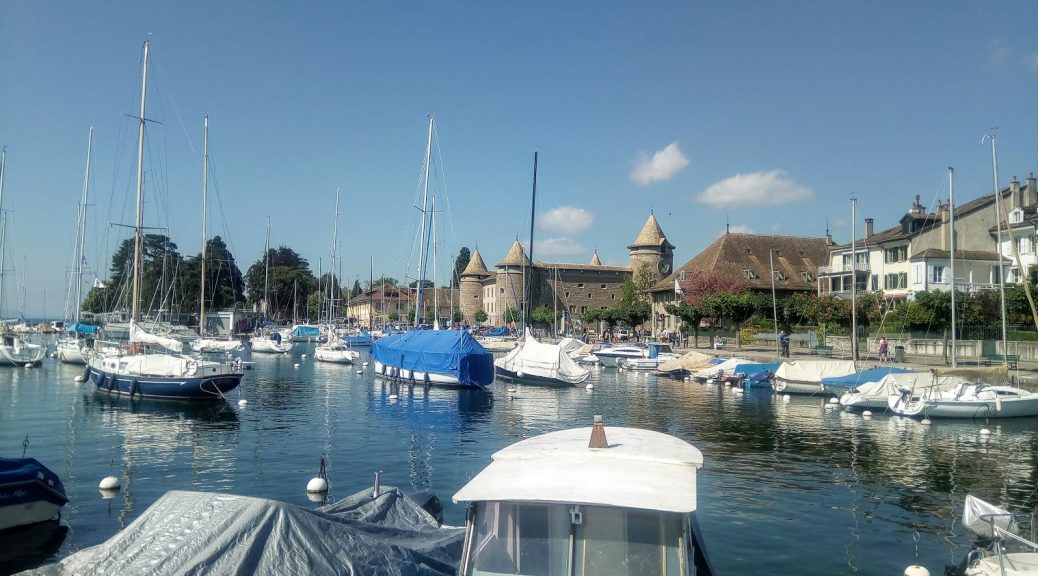
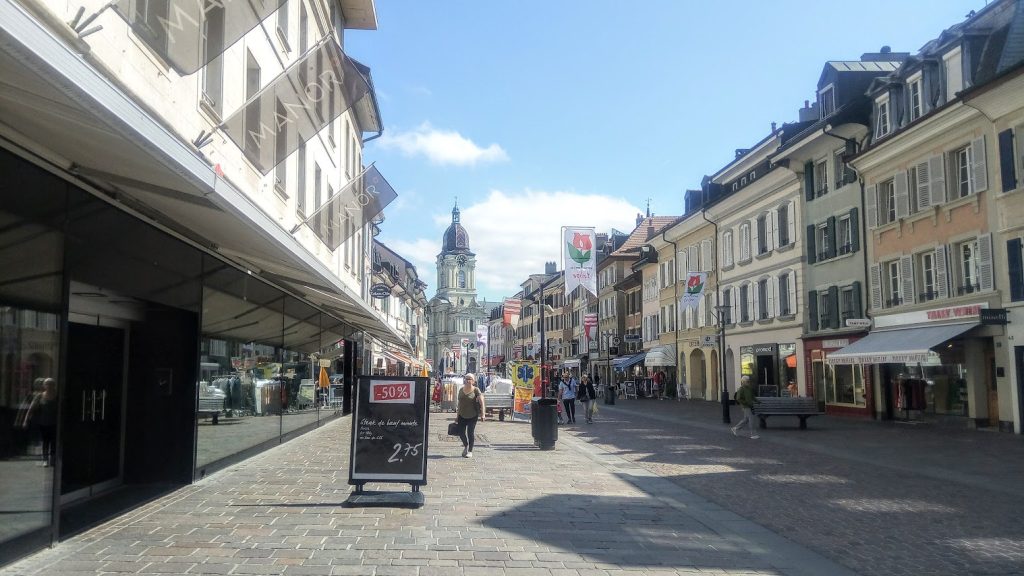
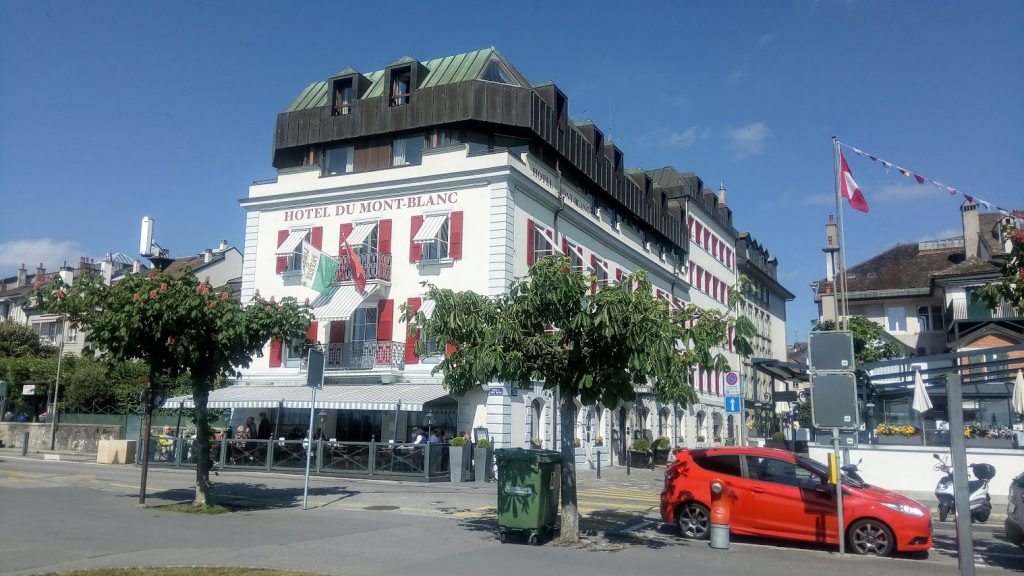
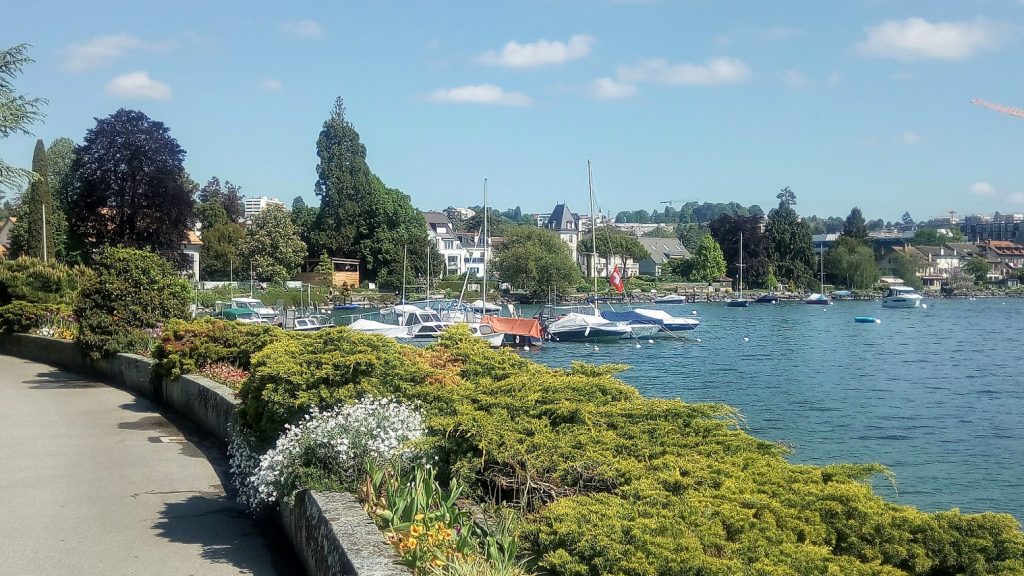
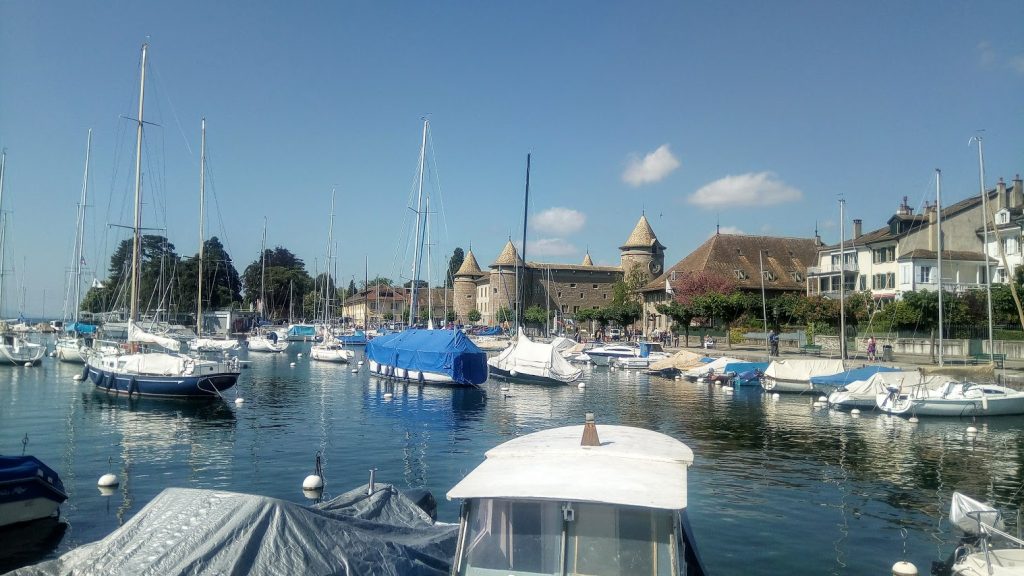
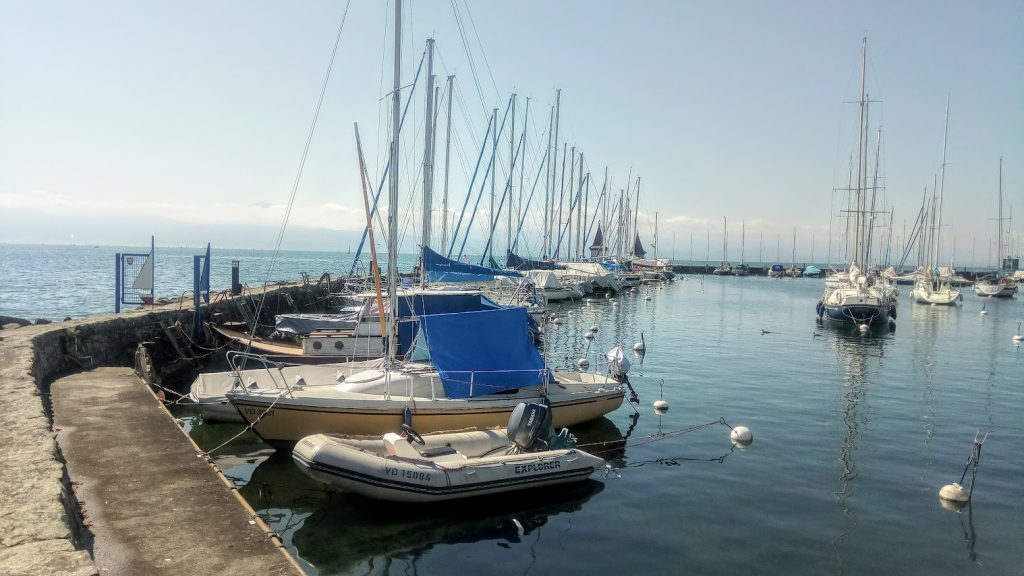
Morges is situated in the western part of Switzerland between Lausanne and Geneva. The city was build by Louis de Savoie in 1286.

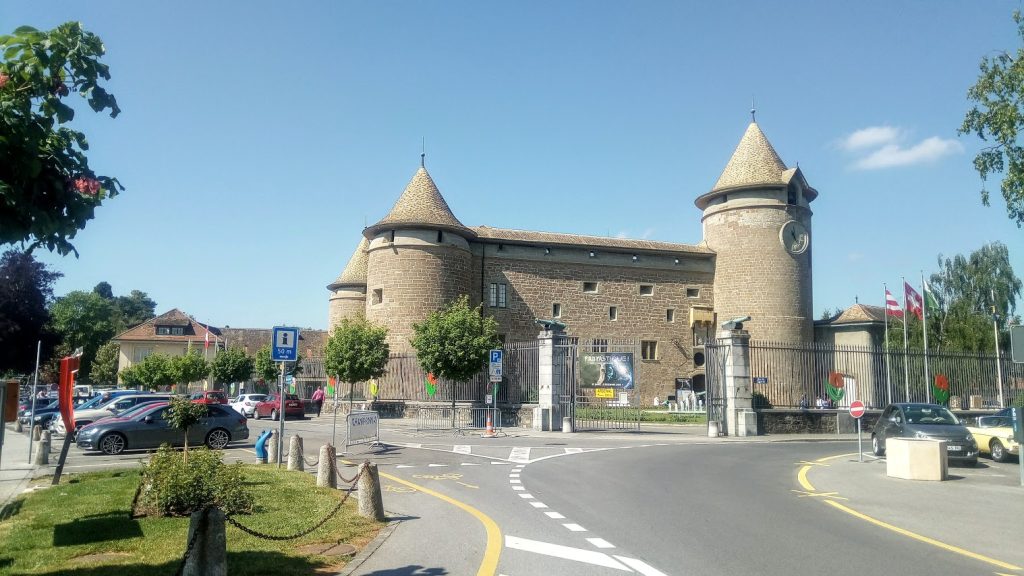
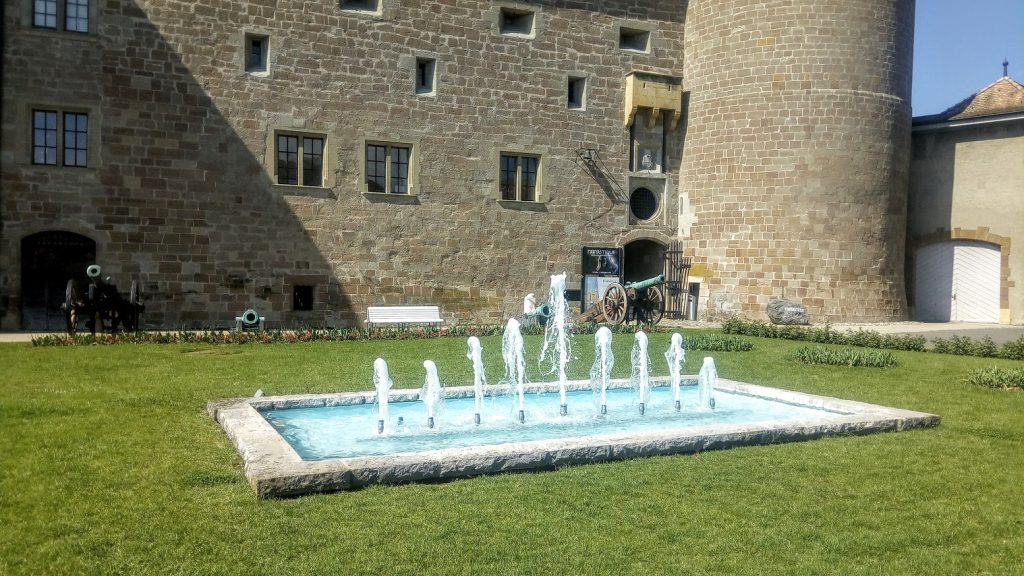
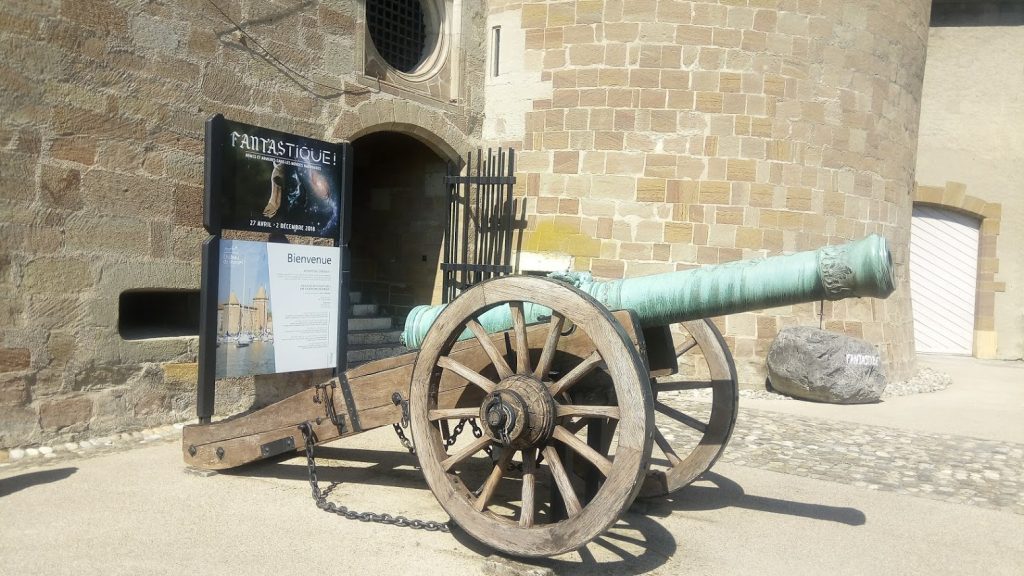
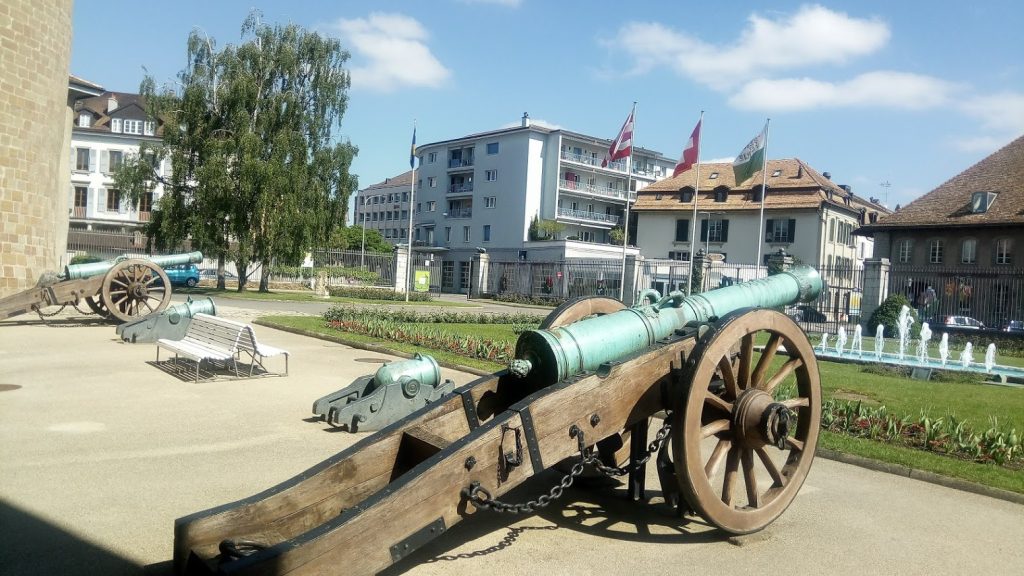
The castle in the south of the town square was built with a square floor plan and four round corner towers. It resembles the castle of Yverdon, which may have served as a model for Morges Castle.


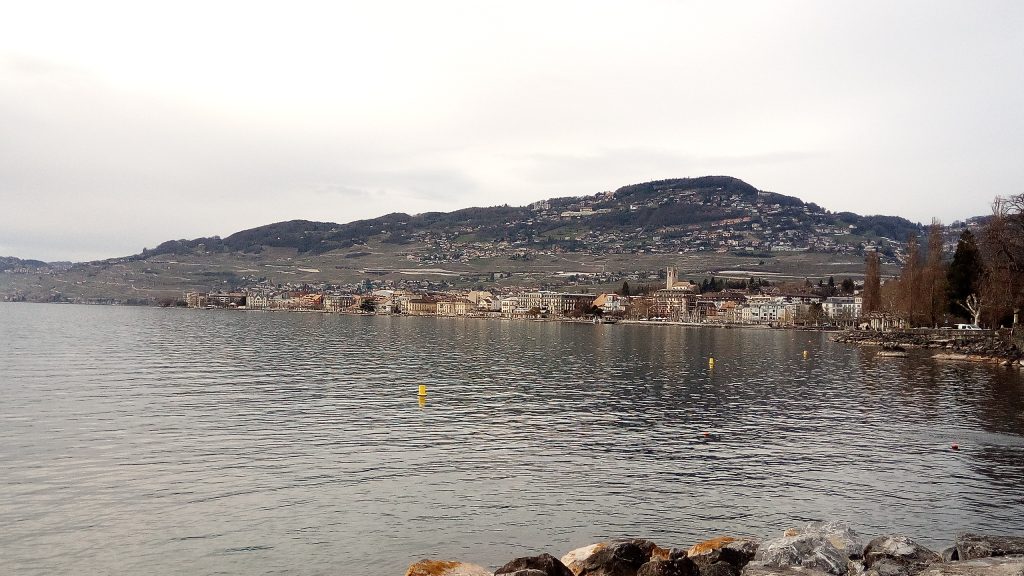
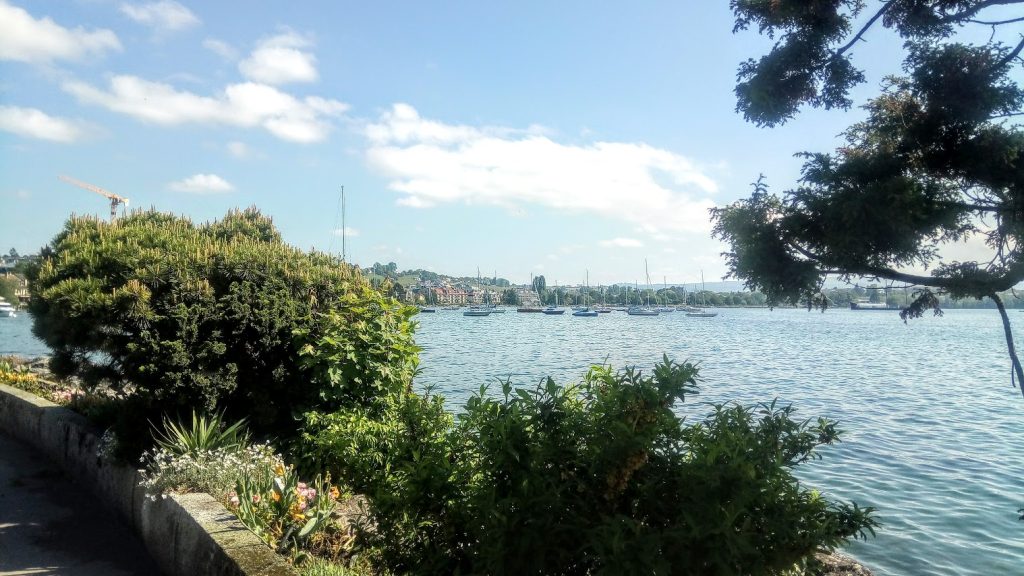
On of the beautiful place to walk is the lake promenade. You can see the Mont Blanc

The city’s annual Tulip Festival celebrates the return of spring with 100,000 tulips in beds remarkable for their colour, in the 30,000m2 of the Parc de l’Indépendance.


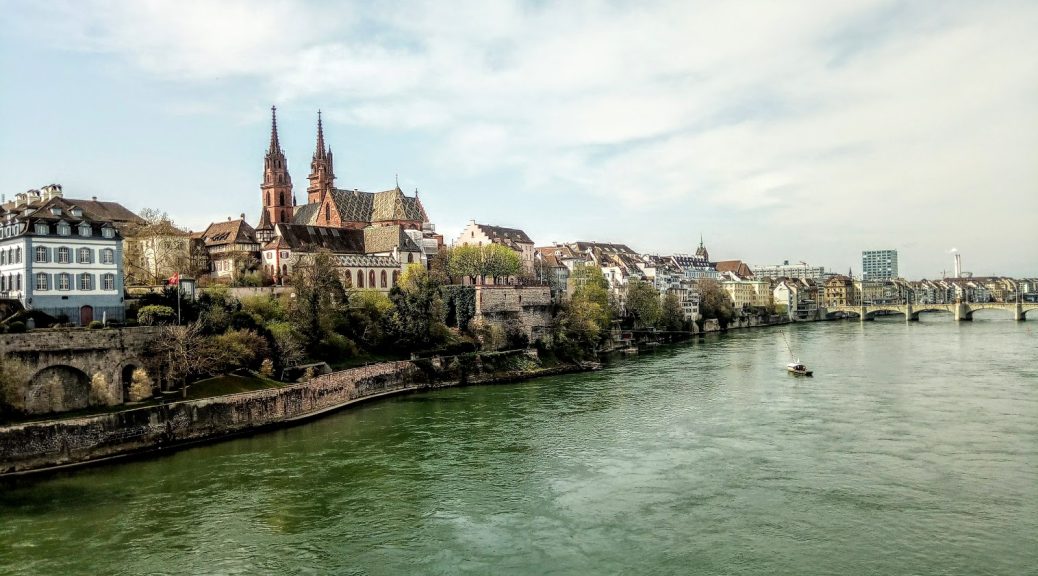
Basel

Basel

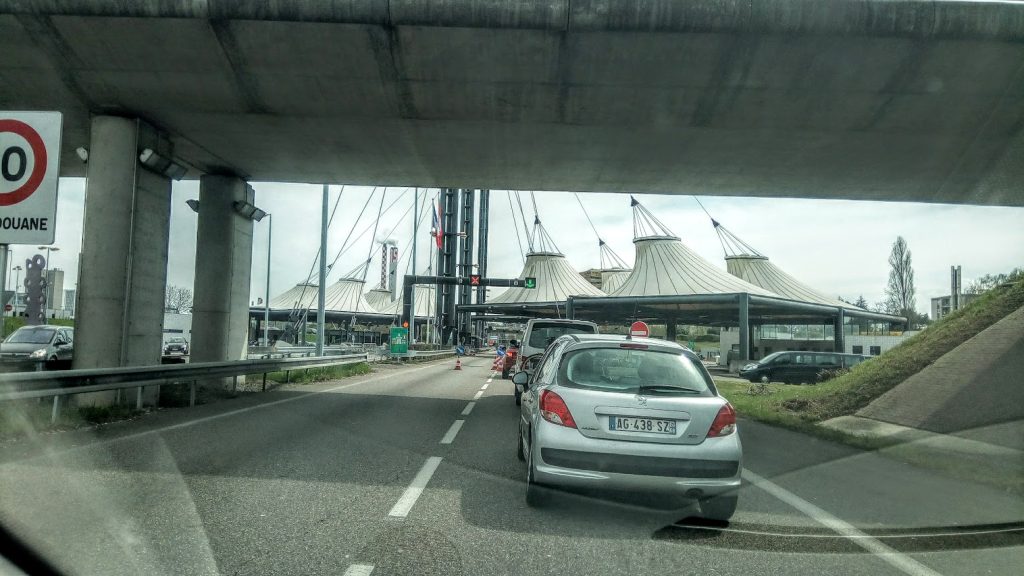
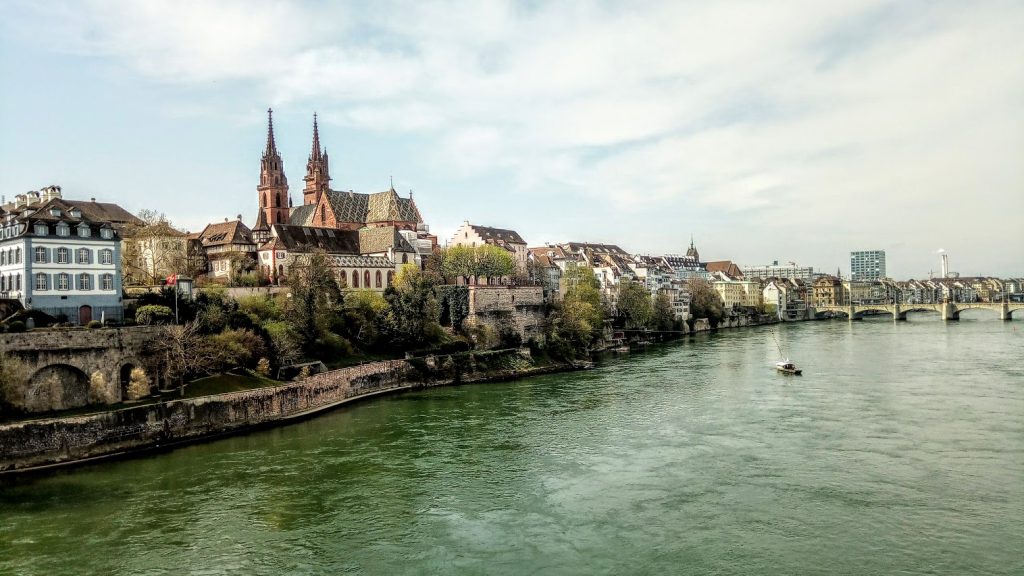
Located where the Swiss, French and German borders meet, Basel also has suburbs France and Germany. The Basel agglomeration was the third largest in Switzerland with a population of 537 000

The city is known for its many internationally renowned museums, ranging from the Art Museam Kunstmuseaum. Basel has often been the site of peace negotiations and other international meetings. The name of Basel is derived from the Roman-era toponym Basilia. The Old French form Basle was adopted into English, and developed into the modern French Bâle. The language spoken in Basel is german first or specificaly swiss german. The second language is Italian and franch.


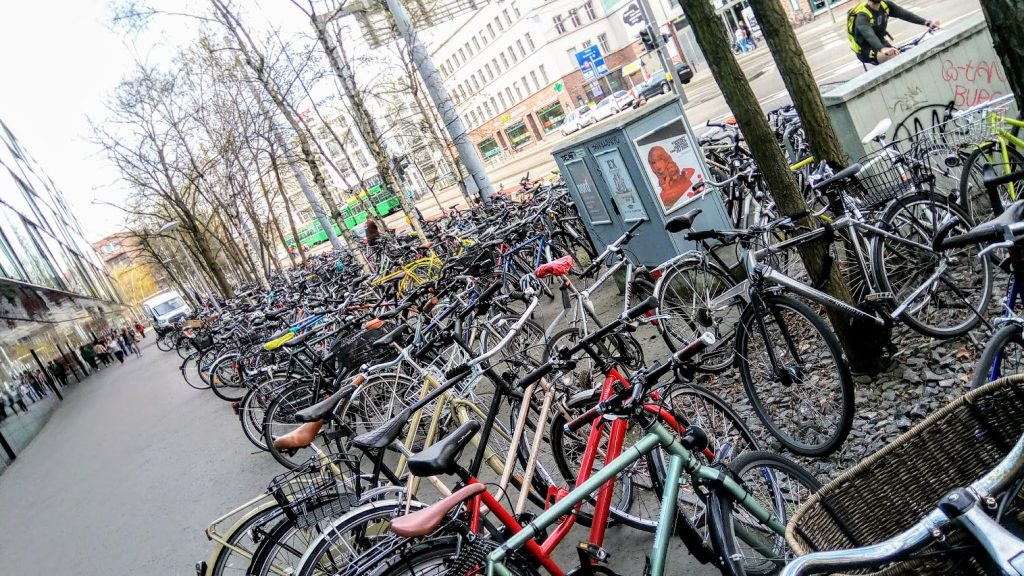
Bicylce parking near the train station. Basel is bicycle friendly.


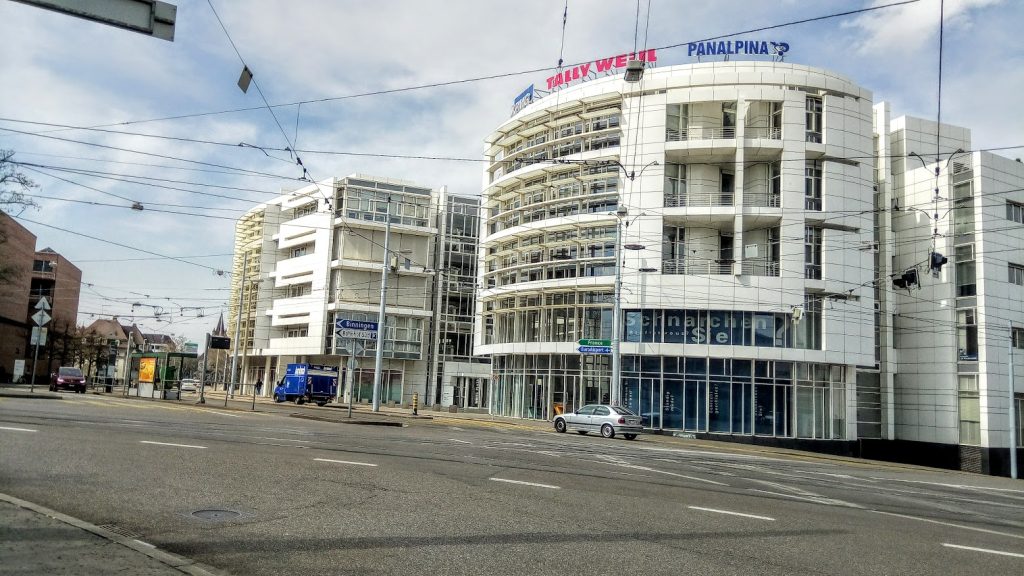
Headquater of Panalpina

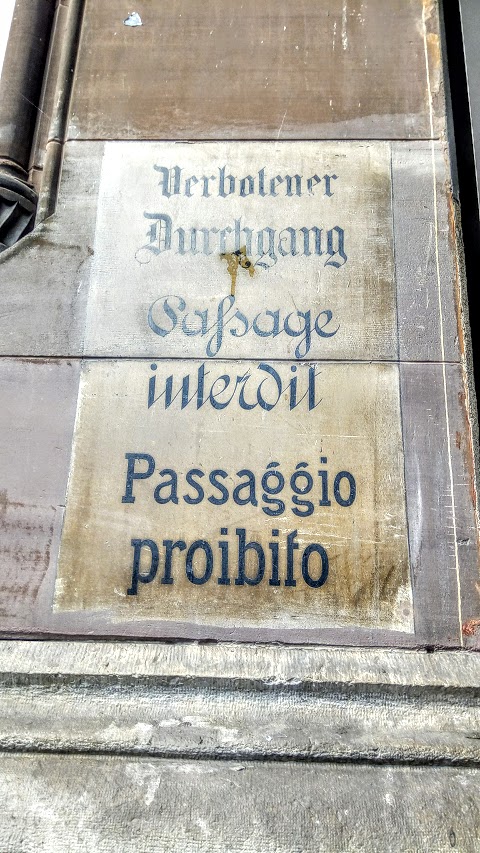
As german is the main language we can read sometimes multilinguage information. This one is interesting with the font. The german choose the german gothic. The french font is quite interesting and uncommom. Itilian writing is more standard.


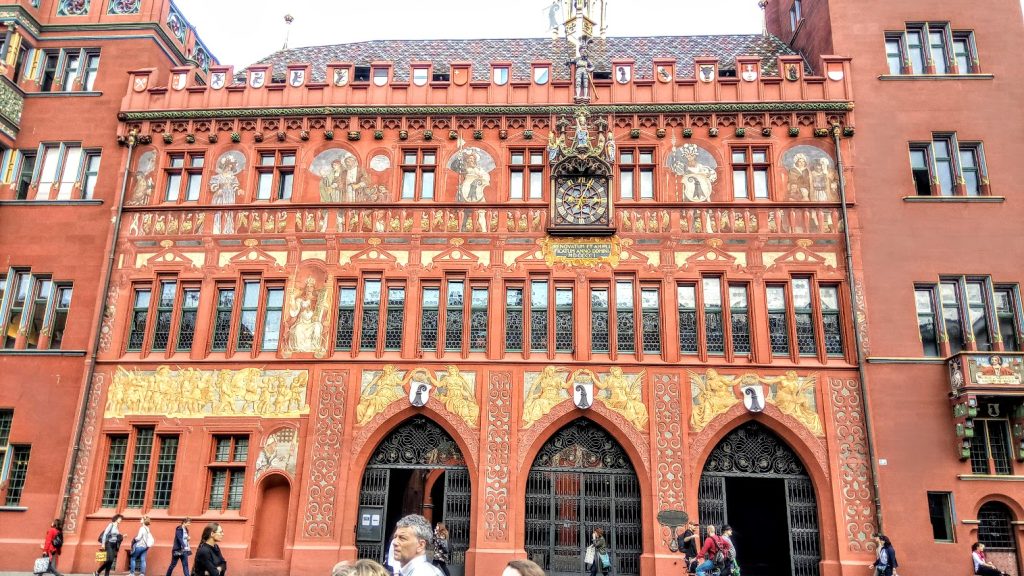
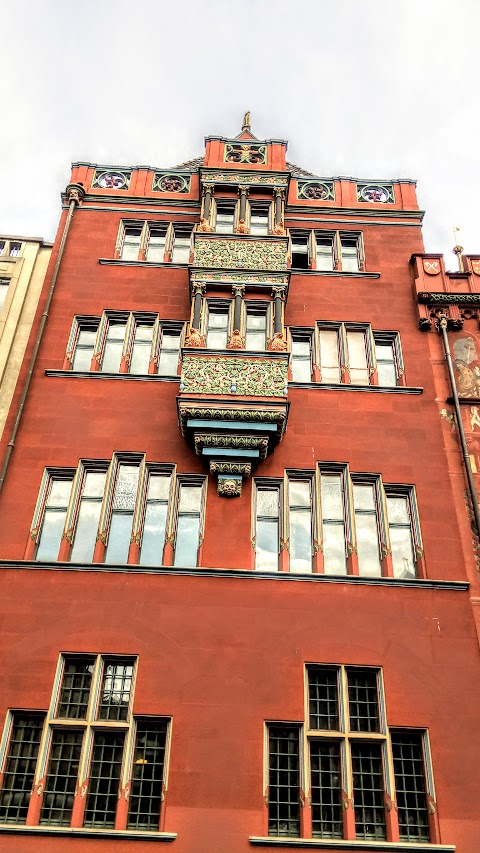
Basler Rathaus


Mulhouse

Mulhouse

Mulhouse is situated at the corner near Germany and Switzerland. You can read Germany by car in 30 mn and Switzerland (Basel) for the same period of time. This city count 112 000 inhabitants and the metropolitan area if you add suburb you have 280 000 people.

Mulhouse is famous for its museums particularly the automobile museum (Musée national de l’automobile) and the train museum (Musée du chemin de fer). The largest automobile and railway museum in the world.

Mulhouse is also an industrial city from the 19s century. Today you have automobile industry Peugeot who is still in activity.

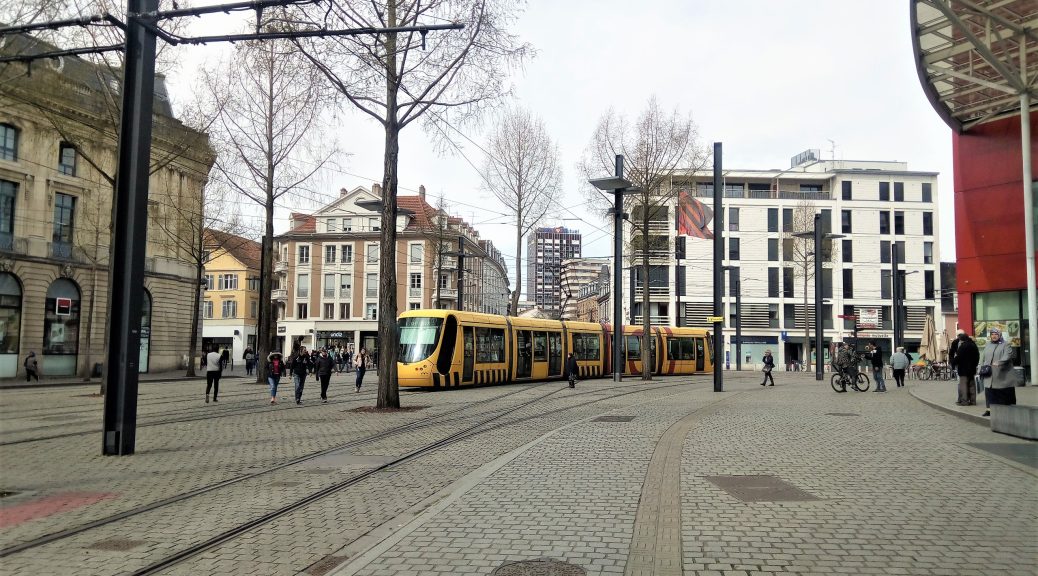
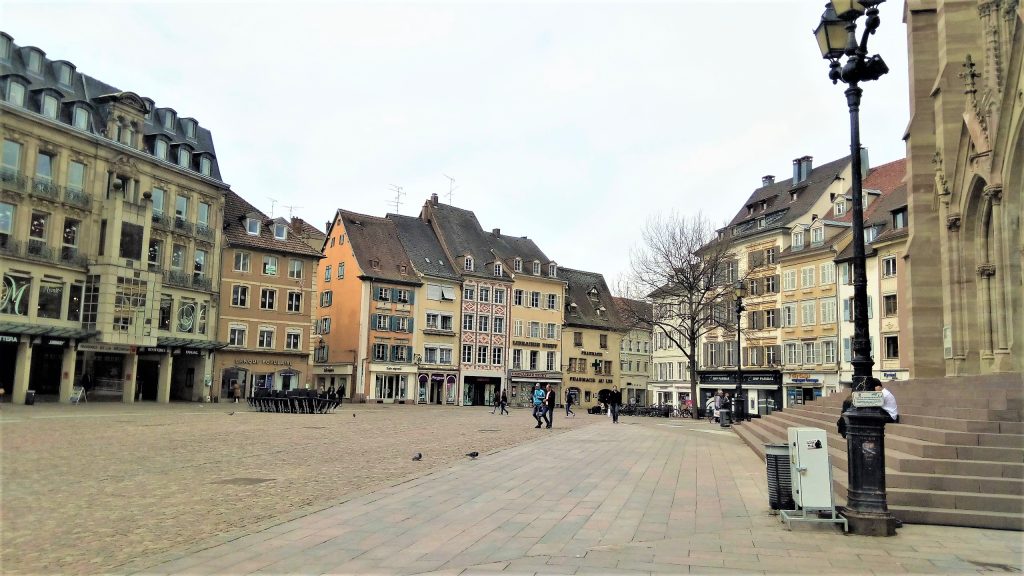
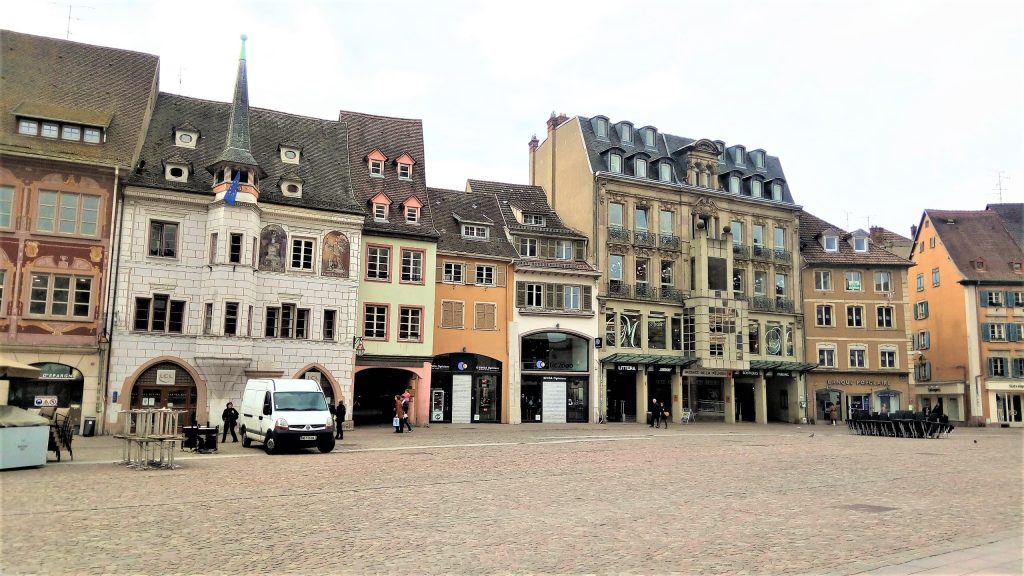
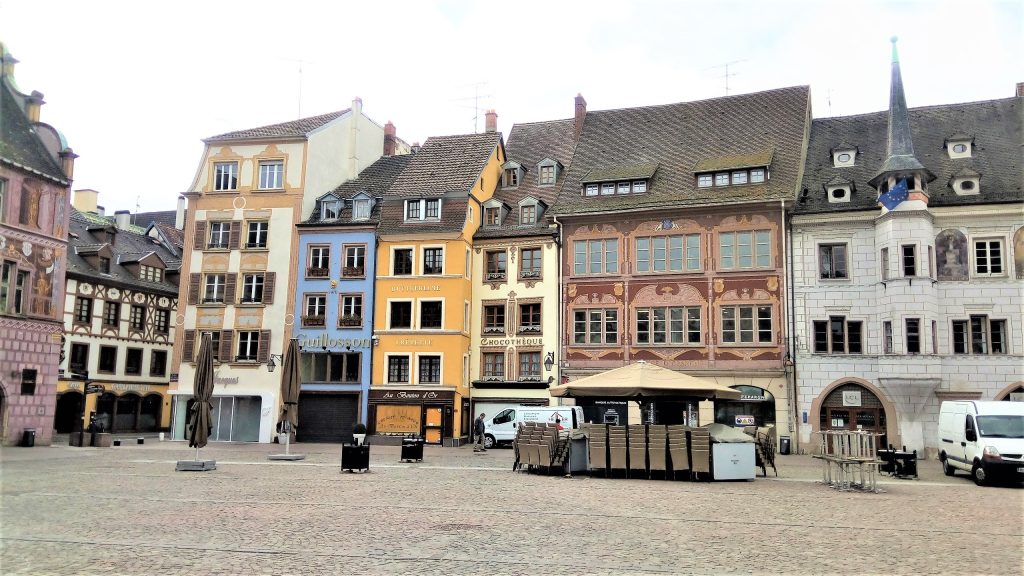
The city center is interesting with colorfull houses.

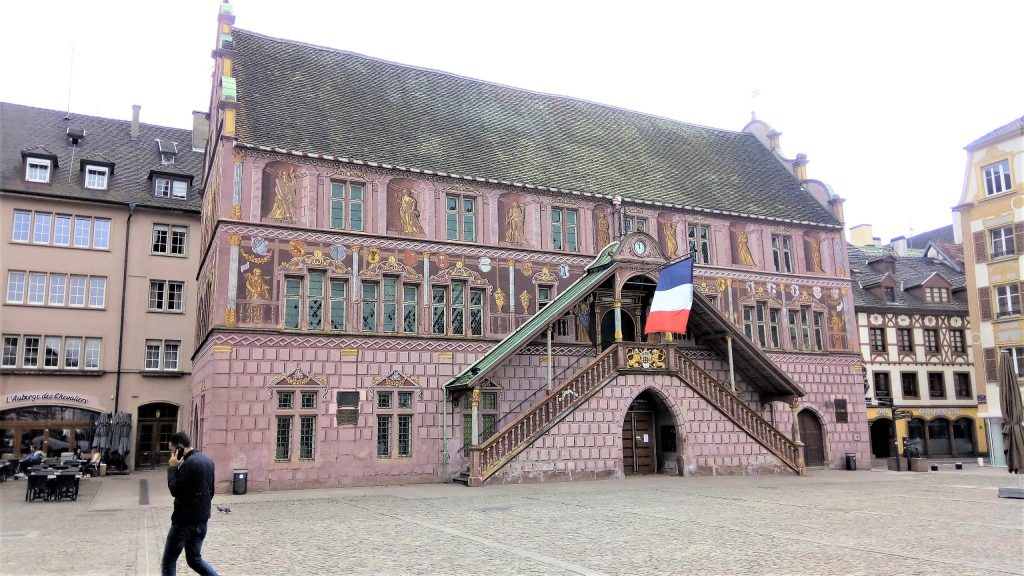
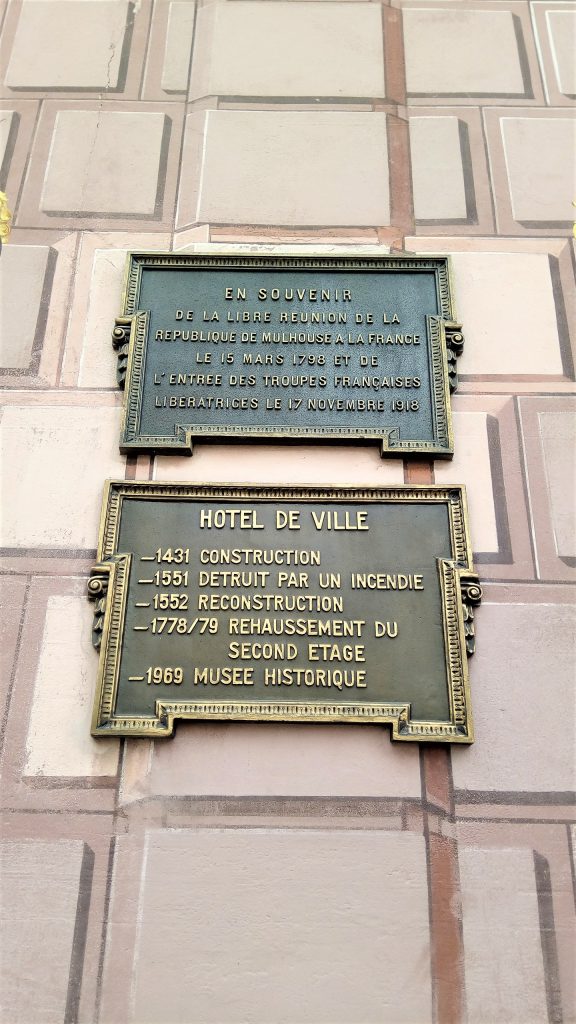
This is the city house (hotel de ville) it is written that Mulhouse was attached to France in 1798. Before that date it was part of Switzerland. You still can see flag of swiss canton as decoration

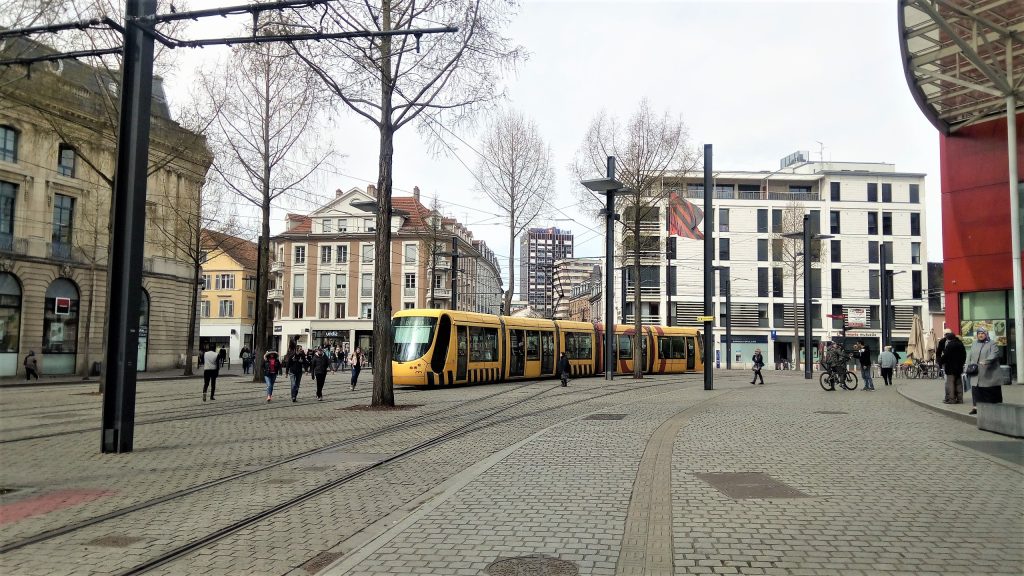
Place Saint Etienne in the city Center